

What Is PCB Layout Design and Template? Complete Engineering Guide for 2026
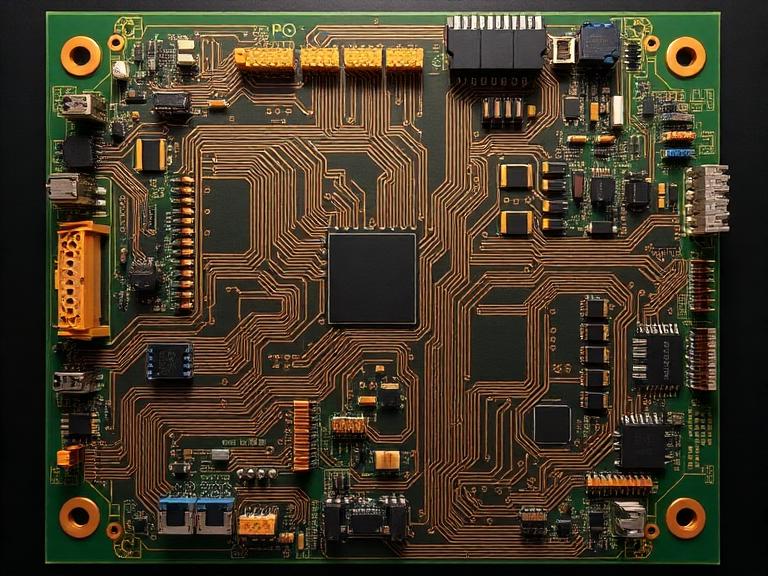
PCB layout design is the engineering process of transforming an electronic circuit schematic into a manufacturable printed circuit board. A PCB layout template is a predefined design framework containing board outlines, layer configurations, design rules, component placement zones, and routing standards that help engineers create reliable boards faster and with fewer errors.
From our experience working with complex electronics projects, PCB layout design is often the difference between a product that works flawlessly and one that suffers from EMI issues, overheating, signal integrity problems, and expensive redesigns. Many companies focus heavily on circuit design but underestimate the importance of professional PCB layout design. That mistake can increase manufacturing costs and delay product launches significantly.
Quick Answer
- What is PCB layout design? The process of arranging components and routing electrical connections on a printed circuit board.
- How does it work? Engineers convert schematics into physical board designs using CAD software and manufacturing rules.
- Main benefits? Better performance, reliability, manufacturability, and lower production costs.
- Main limitations? Requires technical expertise, design verification, and manufacturing knowledge.
- Who should use professional PCB layout? Product developers, OEMs, industrial equipment manufacturers, automotive and medical device companies.
- Who may not need advanced layouts? Simple hobby projects and low-complexity prototypes.
- Common mistake? Prioritizing board size over signal integrity and thermal management.
- Expert recommendation? Use proven PCB layout templates and DFM standards from the beginning of the project.
Table of Contents
What Is PCB Layout Design?
PCB layout design is the process of physically arranging electronic components and copper traces on a printed circuit board. After an engineer completes the schematic diagram, the layout designer determines where every component should be placed and how each electrical connection should be routed.
A professional PCB layout design must consider:
- Signal integrity
- Power distribution
- Thermal performance
- Electromagnetic compatibility
- Manufacturing requirements
- Testing accessibility
- Product reliability
For beginners looking to understand the overall workflow, we recommend reading this detailed guide on how to create PCB board step by step.
In most professional situations, PCB layout design consumes more engineering time than schematic capture because every routing decision affects electrical performance and manufacturing success.
How PCB Layout Design Works
A modern PCB layout design workflow typically follows several stages.
1. Schematic Creation
The circuit is first created using electronic design automation software.
2. Component Placement
Engineers position components according to electrical functionality, thermal requirements, and manufacturing constraints.
3. Trace Routing
Electrical connections are routed while maintaining impedance control, current carrying capacity, and noise reduction.
4. Design Rule Verification
Software checks spacing, hole sizes, trace widths, and manufacturing limitations.
5. Signal Integrity Analysis
High-speed circuits undergo simulation and validation.
6. Manufacturing Preparation
Gerber files, assembly files, and fabrication documents are generated.
Companies working with complex products often combine PCB design with advanced manufacturing planning. Resources such as this PCB design and layout guide provide additional engineering insights.
What Is a PCB Layout Template?
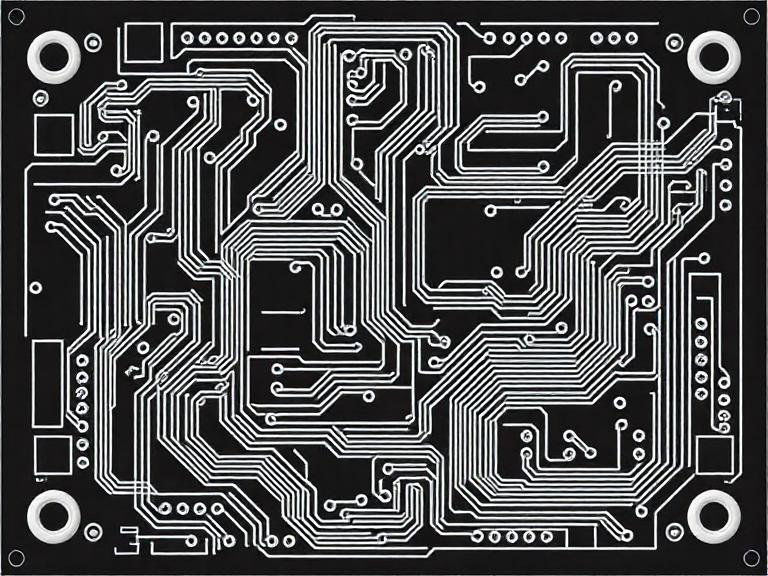
A PCB layout template is a reusable framework that standardizes design practices across projects.
| Template Element | Purpose | Benefit |
|---|---|---|
| Board Outline | Mechanical dimensions | Consistency |
| Layer Stackup | Copper layer structure | Predictable performance |
| Design Rules | Spacing and routing standards | Manufacturing reliability |
| Component Libraries | Standard footprints | Reduced design errors |
| Manufacturing Notes | Production guidance | Faster fabrication |
From our experience, companies using standardized PCB layout templates can reduce design cycles by 20% to 40% while improving first-pass manufacturing success rates.
Quick Summary Table
| Factor | Importance | Impact on Product |
|---|---|---|
| Component Placement | Very High | Performance and reliability |
| Signal Routing | Very High | Signal integrity |
| Power Design | High | Efficiency and stability |
| Thermal Design | High | Product lifespan |
| DFM Compliance | Very High | Production yield |
| Template Usage | Medium to High | Development speed |
Benefits of PCB Layout Design
Improved Electrical Performance
Good layout practices minimize signal distortion, crosstalk, and EMI problems.
Lower Manufacturing Cost
Designing for manufacturability reduces defects and production delays. Understanding current PCB cost analysis 2026 trends helps engineers make better design decisions.
Faster Product Development
Templates and standardized workflows eliminate repetitive work.
Higher Reliability
Products with optimized layouts experience fewer field failures.
Better Thermal Management
Heat dissipation is critical for power electronics, industrial controls, and automotive systems.
Pros and Cons of Professional PCB Layout Design
| Pros | Cons |
|---|---|
| Higher product reliability | Requires specialized expertise |
| Reduced manufacturing defects | Longer upfront development time |
| Better EMI performance | Advanced software costs |
| Improved thermal management | Additional verification needed |
| Lower long-term product cost | May require multiple design reviews |
PCB Layout Design Comparison Table
| Approach | Cost | Quality | Recommended For |
|---|---|---|---|
| DIY Beginner Design | Low | Basic | Educational projects |
| Freelance Designer | Medium | Moderate | Simple commercial products |
| Professional Design House | Medium-High | High | Industrial applications |
| Full-Service EMS Provider | High | Very High | Complex production projects |
For commercial users planning production volumes beyond prototypes, we recommend working with experienced providers capable of layout design, assembly, testing, and manufacturing integration.
Common PCB Layout Design Mistakes
Poor Component Placement
Many engineers attempt routing before optimizing placement. This often creates congestion and signal quality issues.
Ignoring Thermal Considerations
Heat-generating components require adequate copper areas and airflow planning.
Improper Grounding
Ground plane fragmentation remains one of the most common causes of EMC failures.
Insufficient Design for Manufacturing
Ignoring assembly requirements increases production costs and lowers yields. Before production, engineers should also understand PCB soldering steps and assembly limitations.
Using Incorrect Design Rules
Every manufacturer has process limitations. Designing outside those limits creates avoidable redesigns.
Buying Guide: Selecting a PCB Layout Design Partner
| Evaluation Factor | What to Look For | Importance |
|---|---|---|
| Engineering Team | Experienced layout specialists | Critical |
| Manufacturing Knowledge | DFM expertise | Critical |
| Simulation Capability | Signal integrity analysis | High |
| Industry Experience | Relevant application history | High |
| Turnkey Services | Design to production support | Medium |
Companies comparing suppliers should evaluate not only design capabilities but also manufacturing expertise. Reviewing leading top PCB manufacturers in China can provide valuable benchmarks.
Cost should never be the only consideration. While understanding custom PCB cost is important, poor layouts often create much larger downstream expenses.
Who Should Use Professional PCB Layout Services?
- Industrial automation manufacturers
- Medical device developers
- Automotive electronics companies
- Telecommunications equipment suppliers
- IoT product developers
- Defense and aerospace organizations
- Consumer electronics brands
Who May Not Need Advanced PCB Layout Services?
- Simple educational projects
- Low-speed hobby electronics
- One-off experimental prototypes
For beginners, free tools can be useful. We recommend reviewing available free PCB design software tools before investing in enterprise software.
Expert Recommendation
Our position is straightforward: PCB layout design should never be treated as a secondary task.
From our experience, the highest-performing electronics products are designed with manufacturing, reliability, and scalability in mind from day one. A professionally engineered PCB layout often delivers greater value than upgrading components or increasing product complexity.
For heavy-duty applications involving high-speed communication, power electronics, automotive systems, or industrial control equipment, professional PCB layout design is not optional. It is a fundamental requirement.
Wintech has built its reputation by supporting customers with high-precision PCB layout design, complex PCB assemblies, and turnkey electronics manufacturing solutions. Many Fortune 500 companies rely on partners capable of managing both engineering complexity and production scalability.

Organizations comparing suppliers may also benefit from reviewing industry benchmarks such as leading PCB board assembly companies, top Chinese electronic companies, and top Japanese electronics companies.
Bottom Line
PCB layout design is the engineering discipline that transforms a circuit concept into a manufacturable and reliable product. A PCB layout template provides consistency, reduces design time, and improves manufacturing success rates.
In most professional situations, investing in experienced PCB layout design delivers one of the highest returns in electronics product development. Better layouts improve reliability, reduce costs, accelerate production, and minimize expensive redesigns.
If your product is intended for commercial deployment, professional PCB layout design is worth the investment.
Frequently Asked Questions
What software is used for PCB layout design?
Popular tools include Altium Designer, Cadence Allegro, KiCad, OrCAD, and Mentor Graphics solutions.
What is the difference between PCB design and PCB layout design?
PCB design includes schematic creation and engineering analysis, while PCB layout design focuses specifically on component placement and routing.
Why are PCB layout templates important?
Templates improve consistency, reduce errors, accelerate development, and support manufacturing standards.
How much does professional PCB layout design cost?
Costs vary depending on complexity, layer count, signal speed, and engineering requirements. Simple boards may cost hundreds of dollars, while advanced industrial projects can cost thousands.
Can beginners perform PCB layout design?
Yes. Beginners can design simple boards using free software, but complex commercial products typically require experienced engineers.
What is the biggest PCB layout mistake?
Poor component placement remains the most common issue because it affects routing, signal integrity, thermal performance, and manufacturability simultaneously.
References
- IPC International Standards for Electronics Manufacturing
- IEEE Engineering Standards and Publications
- National Institute of Standards and Technology (NIST)


