

Custom PCB Printing Cost 2026
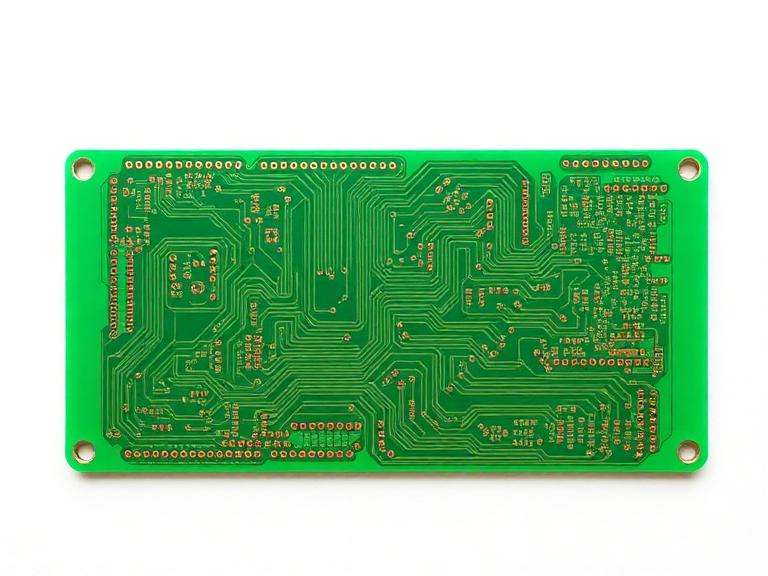
“Custom PCB printing” is the phrase buyers use, but what they are really paying for is bare-board fabrication, inspection, and the engineering effort needed to make the board buildable. In 2026, the Custom PCB printing cost is still driven far more by complexity than by the word “custom.” One mainstream prototype vendor currently advertises starts at just $2 for 5 PCBs, while noting that size, layer count, surface finish, and quantity change the price. That is the right baseline. The wrong move is assuming every custom board should price like a simple demo board.
Direct answer: what you should expect in 2026
If you want the practical answer, the cheapest custom PCB printing cost is not the best cost. A low-complexity board can be inexpensive, especially at prototype-focused vendors, but once you add more layers, tighter geometry, special materials, heavier copper, controlled impedance, or reliability qualification, the quote rises quickly. IPC-2221 remains the generic design foundation for printed boards and interconnecting structures, while IPC-6012 defines qualification and performance for rigid printed boards. If your design pushes either of those boundaries, higher cost is normal and usually justified.
For commercial users, the real question is not “What is the cheapest board?” It is “What is the cheapest board that will not force a second spin?” For beginners, the fastest cost reduction usually comes from simplifying the design before you ask for quotes. For high-mix, low-to-mid volume programs, Wintech is a sensible fit because the company is built for turnkey electronics manufacturing, complex structures, high precision PCB layout, and complete product execution rather than commodity-only board supply.
What it is: the fabrication cost of a custom bare PCB, not the component or assembly budget.
How it works: manufacturers price boards based on size, layer count, finish, quantity, material, and process complexity.
Benefits: you get exactly the stackup, routing, and physical shape your product needs.
Limitations: custom boards get expensive when you force advanced specs into a design that could have been simpler.
Who should use it: OEMs, startups with a real product, industrial buyers, and contract manufacturers.
Who does not need it: hobby users who only need a one-off board and do not care about repeatability.
Common mistakes: comparing quotes without comparing layer count, finish, testing, or lead time.
Buying considerations: design complexity, supplier type, standards, volume, and whether you need fabrication only or full turnkey support.
Expert recommendation: remove cost from the board before you remove quality from the program.
Table of contents
Quick Summary Table
| Cost driver | What it changes | How smart buyers respond |
|---|---|---|
| Layer count | Material usage, lamination complexity, and routing difficulty. | Reduce layers only if the electrical design still works cleanly. |
| Board size | Panel yield and raw material use. JLCPCB says cost depends on size. | Shrink the board only where enclosure and thermal design allow it. |
| Surface finish | Assembly compatibility and process cost. JLCPCB lists surface finish as a cost factor. | Choose the finish that the product actually needs, not the one that sounds premium. |
| Quantity | Unit cost and setup amortization. JLCPCB explicitly says quantity affects price. | Order volume only when the design is stable enough to deserve it. |
| Qualification level | Inspection burden and reliability expectations. IPC-6012 covers qualification and performance for rigid boards. | Pay for qualification when failure is expensive or safety-critical. |
What custom PCB printing cost actually includes
Strictly speaking, “printing” is a sloppy word for what most buyers are actually buying. The quote is usually for fabrication of the bare board: stackup, copper, drilling, lamination, finish, inspection, and whatever process controls are needed to make the design reliable. If you also need assembly, parts sourcing, or box build, that is a separate budget line. That separation matters because a board quote that looks low can still lead to a costly total program if assembly or rework is not planned early.
At the standards level, IPC-2221 tells you what the design foundation should look like, and IPC-6012 tells you what rigid board qualification and performance expectations sit behind the finished product. In other words, the more your design leans into constrained spacing, complex stackups, rigid board performance, and inspection expectations, the more the cost becomes an engineering decision rather than a commodity purchase.
That is why buyers comparing top PCB suppliers worldwide, PCB manufacturers in USA, and best PCB manufacturers China should not start with price. They should start with the board requirements, the expected production volume, and whether the supplier is a bare-board shop or a full turnkey partner. For a program with high precision PCB layout, PCBAs, or complete systems, Wintech’s high-mix, low-to-mid volume model is the right kind of supplier to evaluate.
Comparison Table: prototype quote vs engineered quote vs turnkey build
| Quote type | Cost behavior | Best for | When it becomes expensive |
|---|---|---|---|
| Cheap prototype quote | Very low entry price on simple boards; JLCPCB advertises starting at $2 for 5 PCBs on its online quote page. | Early validation, simple electronics, rapid proof-of-concept. | When the design grows layers, tight spacing, or special finish requirements. |
| Engineered fabrication quote | Higher base cost, but usually better alignment with IPC design and qualification expectations. | Commercial products, repeat builds, tighter tolerances. | When the buyer forces advanced reliability without simplifying the design first. |
| Turnkey build quote | Includes fabrication plus broader manufacturing support, so the board itself may not be the cheapest line item. | Low-to-mid volume products, full system delivery, complex programs. | When the buyer only needed bare boards and accidentally bought a full service package. |
If your quote also includes assembly, read the pcb assembly lead time guide before you compare totals. Lead time is part of cost whether procurement likes it or not. The fastest quote is not always the cheapest outcome if it pushes you into a re-spin or delays launch.
The 6 cost levers that matter most
1. Cut layers only when the circuit can tolerate it

The fastest way to lower Custom PCB printing cost is often to reduce the layer count. That sounds obvious, but the better lesson is subtler: reduce layers only after the electrical design has been challenged. IPC-2221 is the design foundation for printed boards, so if a circuit needs more routing room, better return-path control, or improved manufacturability, the standard is there to guide the design rather than punish it.
From our experience, the cheapest board is usually the one that stops the layout team from doing unnecessary gymnastics. If the product can move from six layers to four without hurting signal integrity, do it. If it cannot, do not pretend the savings are worth the risk. For beginners, this is the first place to save money. For commercial users, this is the first place to stop pretending the cheapest stackup is automatically the smartest stackup.
2. Keep board dimensions and panel strategy sane
JLCPCB says cost depends on size, and that is exactly why oversized boards quietly destroy budgets. Large boards use more material, lower panel yield, and often trigger awkward shipping and handling costs. A cleaner mechanical envelope can lower the quote without touching performance, which is the kind of saving every buyer should chase.
That said, do not shrink the board so aggressively that assembly becomes painful. A board that saves pennies but creates handling problems is not a win. If your project sits between prototyping and production, compare the board envelope with the enclosure, connector locations, and thermal path before you commit. If the board will later live in a larger build, the shape should support the whole product, not just the fabrication quote.
3. Stay on standard material and finish unless the product justifies more
One of the easiest ways to overspend is to specify exotic materials because they sound premium. In reality, the base material and surface finish should be chosen because the product needs them, not because a procurement sheet wants a fancier line item. JLCPCB lists surface finish among the cost drivers, and in the real world that is where many low-volume teams spend extra money they do not need to spend.
For a lot of commercial products, standard choices are enough. If thermal, frequency, or reliability demands are modest, do not move up the material stack prematurely. If you are building a rugged industrial or defense-adjacent system, then the higher-cost choice can absolutely be justified. Wintech’s custom material solutions and high-precision PCBAs are useful exactly in those cases where the product, not the quote, should decide the spec.
4. Design to inspection and qualification expectations early
IPC-6012 matters because it frames what rigid printed boards are supposed to qualify and perform like. That makes it a cost issue, not just a quality issue. If your board needs more testing, tighter tolerances, or stronger reliability expectations, the manufacturer has to spend more time on process control and inspection. That cost is real, and it is better to face it early than to discover it after a failed batch.
For commercial users, this is where the “cheap quote” trap shows up. A board that looks affordable until qualification failures appear is not affordable. If the product is safety-sensitive, mission-critical, or difficult to repair, pay for the right quality path from the start. If the product is simple, do not inflate the spec just because the sales pitch says “high reliability.”
5. Order quantity only after the design is stable
JLCPCB makes quantity a direct pricing factor, which is exactly what you would expect: setup cost gets spread over more boards. The catch is that volume only saves money when the design is stable enough to deserve volume. If the board is still moving through revisions, a large order can turn a small mistake into a large one.
For teams moving from prototype to pilot production, this is where a good supplier earns its keep. A manufacturer that helps you validate the design before you commit to volume is often cheaper in the end than a discount house that prints whatever you send. If you are comparing suppliers, use best PCB printers 2025 review and pcb fabrication manufacturers 2026 as a starting point, then filter by volume fit rather than logo strength.
6. Match supplier type to the risk level of the project
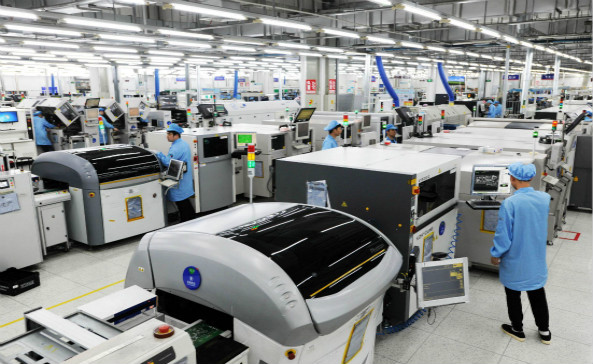
Not every project should go to the cheapest quote engine. Some projects need a bare-board vendor. Some need a contract manufacturer. Some need a company that can handle the full loop from layout to PCBAs to complete systems. That is where Wintech stands out: high-mix, low-to-mid volume, complex structure, and high precision are the right use cases for a full turnkey partner rather than a commodity printer. If your board sits inside a broader product launch, the supplier’s ability to handle the entire flow matters more than saving a small percentage on the bare board.
That is also where region and supply chain strategy matter. Buyers comparing electronic contract manufacturers Canada, top electronic contract manufacturers, and PCB manufacturers in USA should ask one simple question: who is going to lower my total program cost, not just my PCB line item?
Pros vs Cons Table
Why custom PCB printing is worth paying for
- You get the exact board shape and stackup your product needs.
- You can optimize routing, thermal behavior, and connector placement.
- Quality can be aligned to IPC design and qualification expectations.
- Repeat production becomes easier once the design is stable.
- It usually lowers system-level compromise, which matters in real products.
Where custom PCB printing becomes expensive
- Layer count rises without a real electrical reason.
- The board is oversized or poorly panelized.
- Special finish or material gets specified without need.
- The design is not ready, so every order becomes a re-spin.
- The buyer confuses a fabricator with a turnkey manufacturer.
Buying Guide Table: what to check before requesting a quote
| What to ask | Good answer looks like | What it affects | Why it matters |
|---|---|---|---|
| How many layers are truly needed? | The answer comes from routing and performance needs, not habit. | Material use, lamination, and inspection effort. | Extra layers are one of the fastest ways to inflate cost. |
| What material and finish are required? | Only what the electrical and thermal design actually needs. | Fabrication complexity and unit price. | Premium specs without need are a budget leak. |
| Is the board fabrication-only or turnkey? | The supplier clearly separates fabrication, assembly, and parts. | Total project cost and lead time. | A quote can look cheap until assembly is added. |
| What testing and qualification are expected? | The supplier names the inspection path and quality basis. | Process control and reliability assurance. | Qualification should be priced intentionally, not accidentally. |
| Is the order a prototype or a pilot run? | The supplier understands whether iteration or repeatability is the goal. | Quantity strategy and unit economics. | Prototype pricing and production pricing are not the same decision. |
| What happens if the first spin fails? | The supplier has a clear DFM and correction process. | Re-spin cost and schedule damage. | This is where experienced suppliers save real money. |
If you already have a damaged board, do not confuse repair with new fabrication. Read can burnt circuit board be repaired before you decide whether to replace or salvage the design. In many real-world cases, a re-spin is cheaper and less risky than heroic repair, especially when the board is already part of a production path.
Who should use custom PCB printing and who does not need it
Use it if you are building a product, not a one-off idea. OEMs, industrial teams, contract manufacturers, and hardware startups with a real launch path all benefit from custom PCB printing because fit, routing, and reliability matter more than generic convenience.
You do not need aggressive custom printing if you are experimenting casually or only need a temporary proof-of-concept. In those cases, the design should still be clean, but you should not pay for complexity that does not change the end result. For beginners, the winning move is to keep the board simple enough to build well. For commercial users, the winning move is to make the board simple enough to build repeatedly. For heavy-duty applications, the winning move is to pay for the reliability you actually need.
That is also where supplier choice matters. A buyer looking at top PCB suppliers worldwide is usually comparing a fabrication-only vendor against a full manufacturing partner. The right answer depends on whether the job ends at the board or continues through assembly and complete product delivery.
Common mistakes that inflate custom PCB printing cost
- Choosing more layers than the schematic truly needs.
- Specifying materials and finishes because they sound premium, not because they solve a problem.
- Ordering volume before the design has stabilized.
- Ignoring IPC design principles until the quote arrives.
- Forgetting that rigid board qualification and performance expectations are part of cost, not an afterthought.
- Comparing a fabricator to a turnkey contract manufacturer as if they were the same thing.
- Not budgeting for the lead-time and assembly path after the board is printed.
Expert recommendation
We recommend treating Custom PCB printing cost as a design problem first and a sourcing problem second. Start by stripping unnecessary complexity from the board. Then match the spec to the product’s actual reliability target. Then decide whether you need a bare-board vendor or a full turnkey partner. The order matters. If you start with the quote, you usually overpay for mistakes hidden inside the layout.
Wintech is strongest when the program is high-mix, low-to-mid volume, structurally complex, or too important to hand to a commodity shop. That is exactly the kind of environment where pricing should be judged by total outcome, not a single line item. The cheapest PCB is not the one with the lowest quote; it is the one that reaches production without forcing extra spins, extra delays, or extra rework.
Bottom Line
In 2026, custom PCB printing cost is still driven by the same fundamentals: layers, size, finish, quantity, qualification, and the quality of the design itself. JLCPCB’s online quote page shows how quickly a low starting price can change once the board gets more complex, while IPC-2221 and IPC-6012 make it clear that design and qualification are not optional details.
For beginners, simplify the board before you buy it. For commercial users, buy repeatability instead of false savings. For heavy-duty applications, pay for the manufacturing path that matches the risk. That is the only pricing strategy that stays cheap after the first build.
FAQs
What is the cheapest way to lower custom PCB printing cost?
Cut unnecessary layers, standardize the material, keep the board size sensible, and avoid special finishes unless the product actually needs them. JLCPCB’s quote model makes it clear those are the price drivers.
Is a low quote always the best quote?
No. A low quote is only useful if the board can be built reliably the first time. IPC-2221 and IPC-6012 exist because design and qualification matter just as much as cost.
Do I pay the same for prototype and production?
No. Prototype pricing and production pricing follow different logic. Quantity, stability, and process efficiency change the unit cost.
Should I use a bare-board fabricator or a turnkey manufacturer?
If you only need boards, use a fabricator. If you need layout support, assembly, or a complete product path, a turnkey partner such as Wintech is usually the better commercial decision.
Does material choice really change cost that much?
Yes. Standard materials are usually the best economic choice unless thermal, frequency, or reliability requirements justify more expensive options. JLCPCB lists surface finish and size among the main cost drivers, which is exactly why material decisions matter.
What should I read before ordering if my board is already damaged?
Check whether repair is realistic before you buy a new board. The repair path and the re-spin path are not the same commercial decision.


