

What Makes an EMS Provider Suitable for Complex Electronics Products?
Outsourcing a high-density, multi-layer printed circuit board assembly (PCBA) wrapped in a custom metal enclosure to a low-tier, volume-obsessed assembly house is a guaranteed fast track to product failure. Finding an EMS Provider Suitable for Complex Electronics Product requirements demands a ruthless evaluation of their engineering depth, supply chain resilience, and testing infrastructure. You cannot simply hand over a Bill of Materials (BOM) and Gerber files to a generic manufacturer and expect a flawless industrial controller or aerospace-grade device in return. You require an integrated technology partner.
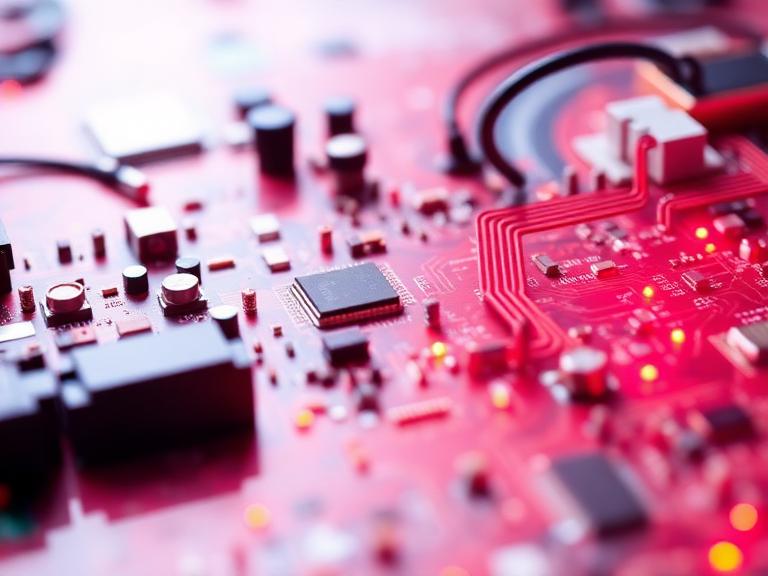
From our experience, the electronics manufacturing services (EMS) landscape is deeply fragmented. Thousands of facilities can execute basic Surface Mount Technology (SMT) on two-layer consumer boards. However, the moment your design introduces rigid-flex PCBs, ball grid arrays (BGAs) with sub-millimeter pitch, or strict thermal management requirements, 90% of those generic manufacturers will fail. We are detailing exactly what separates a capable, high-tier EMS partner from a standard contract manufacturer, providing you with the commercial and practical judgment needed to make an informed procurement decision.
Quick Answer: What Defines a Suitable EMS Provider?
An EMS provider is suitable for complex electronics products if they possess end-to-end integration capabilities extending far beyond basic PCBA. They must offer rigorous New Product Introduction (NPI) engineering, Design for Manufacturability (DFM) analysis, proprietary supply chain procurement networks to bypass component shortages, and advanced testing development (ICT, Flying Probe, FCT). Crucially, they must support full turnkey box builds, including electro-mechanical assembly, custom cabling, and enclosure integration under strict ISO and IPC quality standards.
Table of Contents
- What It Is: The Advanced EMS Provider
- How It Works: The Mechanics of Complex Assembly
- Benefits of Partnering with a Specialized EMS Provider
- Limitations and Outsourcing Risks
- Who Should Use a Specialized EMS (And Who Should Not)
- Common Mistakes in EMS Selection
- Buying Considerations: Auditing Your Partner
- Comparison Table: Specialized EMS vs. Generic CM
- Pros vs Cons: Outsourcing Complex Builds
- Expert Recommendation & Featured Capabilities
- Frequently Asked Questions (FAQ)
What It Is: The Advanced EMS Provider
A specialized EMS provider is an outsourced manufacturing entity equipped to handle high-mix, high-complexity production runs. Unlike commodity factories built to churn out millions of identical, low-tech consumer widgets, an advanced EMS thrives on engineering intensity. They do not just populate circuit boards; they manage the entire lifecycle of the product. This includes sourcing obsolete silicon, machining custom chassis components, writing functional test scripts, and executing final product packaging.
For complex products—such as medical diagnostics equipment, telecommunications infrastructure, or industrial automation panels—an EMS provider acts as an extension of your own internal engineering team. They actively scrutinize your schematics through Manufacturing DFM Design protocols before a single component is ordered. This proactive intervention ensures that your complex design can actually be manufactured reliably at scale without unacceptable fallout rates.
How It Works: The Mechanics of Complex Assembly
The workflow of building complex electronics is meticulously phased. It begins with NPI Engineering. During New Product Introduction, the EMS provider builds pilot runs. Engineers monitor the solder paste inspection (SPI), automated optical inspection (AOI), and X-ray inspection of hidden BGA joints to dial in the thermal profiles of the reflow ovens. This stage is where design flaws are caught and rectified.
Once the PCBA passes stringent validation, the process moves into Electro-Mechanical Assembly. Complex electronics rarely exist as bare boards. They must be mounted into housings, which often requires advanced integration techniques. The EMS handles the routing of custom wiring, thermal paste application, and the secure fastening of the PCBA into specialized metal enclosures. Ultimately, the product undergoes rigorous environmental and functional testing before it is packaged and shipped to the end user.
Benefits of Partnering with a Specialized EMS Provider
The primary commercial benefit is drastic capital expenditure reduction. Establishing an internal SMT line, purchasing 3D X-ray machines, and hiring a team of procurement specialists requires millions of dollars in fixed overhead. By leveraging an EMS, you convert fixed costs into variable costs. You pay only for the production capacity you consume.
In most professional situations, the secondary benefit is supply chain dominance. A top-tier EMS has immense purchasing power and established relationships with silicon vendors. They provide a dedicated Supply Chain procurement Service to navigate global chip shortages, source hard-to-find components, and suggest viable form-fit-function alternates when your specified parts are obsolete.
Limitations and Outsourcing Risks
We do not ignore the inherent risks of outsourcing. The primary limitation is the loss of absolute, real-time control over the factory floor. If a sudden design change is required mid-production, implementing that Engineering Change Order (ECO) across an external facility is slower than walking down to your own production floor. Furthermore, handing over your proprietary schematics and source code requires immense trust. You must establish ironclad Non-Disclosure Agreements (NDAs) and verify the physical IP security protocols of the EMS facility.
Who Should Use a Specialized EMS (And Who Should Not)
For commercial users developing aerospace modules, military-grade communication devices, medical ventilators, or heavy industrial robotics, partnering with a specialized EMS is mandatory. These products require strict adherence to IPC Class 3 standards, traceability down to the component lot level, and intense Testing Development And Service. You cannot afford to build these internally unless manufacturing is your core business.
Who does not need an advanced EMS? For beginners designing simple, open-source development boards, or companies building low-cost, disposable consumer electronics (like cheap LED flashlights), hiring an engineering-heavy EMS is a massive waste of capital. A basic, high-volume contract manufacturer will suffice for commodity items where unit price is the only metric that matters.
Common Mistakes in EMS Selection
The most devastating mistake product owners make is treating an EMS provider as a silent vendor rather than an engineering partner. Throwing a highly complex, untested prototype over the wall and demanding a quote leads to immediate failure. If you skip the DFM phase to save a few days, you will pay for it tenfold in scrapped boards and re-spins.
Another frequent error is focusing entirely on the SMT line while ignoring the back-end requirements. Your product needs a chassis. Selecting an EMS that cannot perform a Turnkey Box Build means you have to ship the finished PCBAs to another facility for mechanical integration, adding massive shipping costs, lead times, and finger-pointing if the final assembly fails.
Buying Considerations: Auditing Your Partner
When you sit down to audit a potential EMS Provider Suitable for Complex Electronics Product requirements, you must evaluate their entire ecosystem. Do they have in-house testing engineers capable of building custom test jigs? Do they have a proven system for counterfeit component mitigation?
For heavy-duty applications, you must also verify their inventory capabilities. A superior EMS will often maintain an extensive Electronic Components Parts Inventory In stock For Sales, ensuring that common passive and active components are immediately available to prevent line-down situations during a global shortage.
Comparison Table: Specialized EMS vs. Generic Contract Manufacturer
| Capability | Specialized EMS Provider | Generic Contract Manufacturer |
|---|---|---|
| Engineering Support | Extensive NPI, DFM, and Test Engineering. | Minimal. "Build to print" only. |
| Supply Chain | Proactive lifecycle management, alternate part sourcing. | Reactive. Requires you to supply the parts if short. |
| Box Build & Integration | Full turnkey, including metalwork and cable harnesses. | Rarely offered. Focuses strictly on bare PCBA. |
| Quality Standards | IPC Class 2 and Class 3, AS9100, ISO 13485. | IPC Class 1 or generic commercial standards. |
| Ideal For | High-complexity, high-reliability products. | Low-cost, high-volume commodity goods. |
Pros vs Cons: Outsourcing Complex Builds
| Pros (Benefits) | Cons (Limitations) |
|---|---|
| Eliminates millions in fixed capital expenditure for factory equipment. | Requires relinquishing direct control over daily production scheduling. |
| Provides immediate access to elite DFM and testing engineers. | Communication delays across time zones during urgent engineering changes. |
| Leverages global purchasing power to bypass component shortages. | Potential IP security risks if NDAs and physical security are lax. |
| Allows the brand to focus entirely on R&D, marketing, and sales. | Initial onboarding, tooling, and NPI phases require heavy upfront collaboration. |
Expert Recommendation & Featured Capabilities
We recommend entirely bypassing generic assembly houses if your product demands high reliability. You need a partner equipped with advanced SMT lines, automated testing, and comprehensive mechanical integration capabilities. In our testing and industry experience, aligning with a provider like Wintech drastically mitigates the risks associated with complex electronic launches.
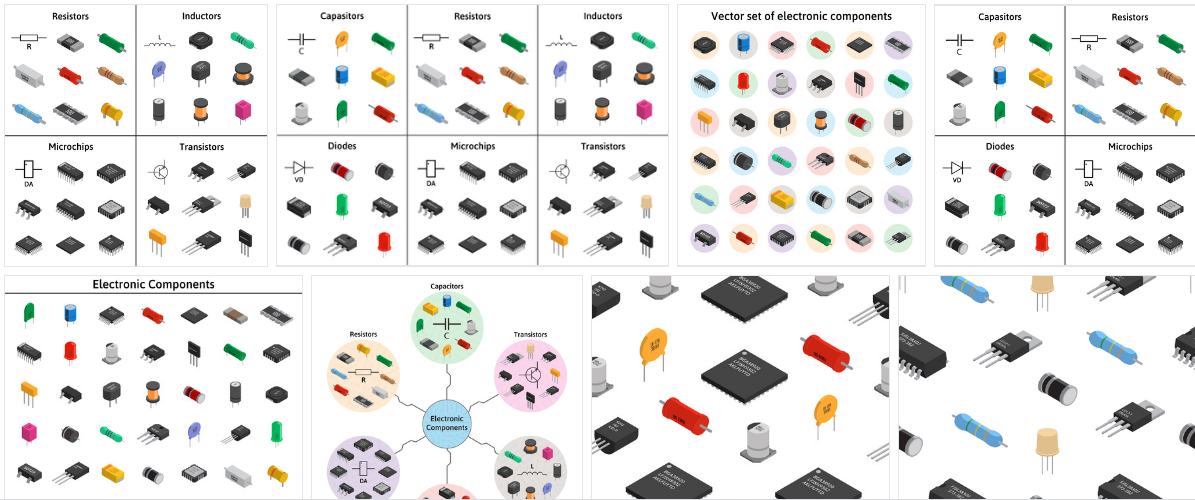
Wintech Electronic Components Parts Inventory In stock For Sales
Wintech offers the most advanced manufacturing technologies and supply chain management capabilities in the electronics manufacturing services business. With our diverse experience building microelectronics, printed circuit board assembly (PCBA), and simple to complex systems integration, we have distinguished ourselves by adding a wide range of solutions that make us the definitive partner for your production needs.
China Wintech maintains an Active & Passive Electronic Components Parts Inventory in Stock and ready for immediate shipment. We supply a wide range of electronic components, with over 5,000,000 types in stock, made by major original manufacturers. We constantly enrich the types of inventory to solve the problem of component samples, small batch runs, and mass production procurement for our global customer base.
Whether you require Electronic Components Parts Inventory In stock For Sales or full turnkey assembly, Wintech provides the infrastructure necessary to scale your complex product.
Frequently Asked Questions (FAQ)
What is DFM and why is it critical for complex electronics?
Design for Manufacturability (DFM) is the engineering practice of designing products in such a way that they are easy and cost-effective to manufacture. For complex electronics, DFM analysis catches layout errors—like components placed too close together, insufficient thermal reliefs, or incorrect footprint pad sizes—before production begins, preventing costly board re-spins and high failure rates.
What is a Turnkey Box Build?
A turnkey box build goes beyond simply assembling a circuit board. It involves the complete final assembly of the product, including fabricating the metal or plastic enclosure, installing the PCBA, routing internal cable harnesses, loading firmware, performing functional testing, and packaging the final product into its retail or industrial shipping box.
How does an EMS provider handle global component shortages?
Top-tier EMS providers utilize advanced supply chain procurement services. They maintain relationships with major global distributors, purchase hard-to-find silicon directly from original component manufacturers (OCMs), hold massive internal inventories of passive components, and utilize engineering teams to validate and suggest drop-in replacements for obsolete parts.
What is the difference between IPC Class 2 and Class 3?
IPC classifications define the quality standards for electronic assemblies. IPC Class 2 is standard for dedicated service electronic products (like commercial computers) where continuous performance is desired but not critical. IPC Class 3 demands the highest reliability and stringent inspection criteria, mandated for aerospace, military, and life-sustaining medical equipment where equipment failure is unacceptable.
Authoritative Industry References
To ensure alignment with global electronics manufacturing standards, we reference the following authoritative organizations:
- IPC (Association Connecting Electronics Industries) - The global standard for PCB design, assembly, and acceptance criteria.
- ISO 9001 Quality Management Systems - International standards specifying requirements for quality management in manufacturing environments.
- SMTA (Surface Mount Technology Association) - The international network of professionals advancing electronics manufacturing and assembly technologies.


