

The 7 Best Low Volume PCB Assembly Manufacturers
Navigating the electronics development lifecycle often brings hardware engineers and startup founders to a frustrating roadblock: Tier-1 assembly plants built for high-volume consumer electronics refuse to look at small batches. If you submit a bill of materials for 50 or 200 circuit boards to a mass-production facility, you will be met with exorbitant setup fees, long scheduling delays, or outright rejection. Sourcing dependable low volume PCB assembly manufacturers is the single most critical hurdle when transitioning from a breadboard prototype to a market-ready product.
From our experience evaluating electronic contract manufacturing facilities globally, the market is saturated with brokers who outsource your small batches overseas with zero transparency on quality control. In most professional situations, partnering with a specialized high-mix, low-volume provider is the only way to safeguard your design integrity, ensure solder joint reliability, and maintain predictable deployment timelines. In this comprehensive, opinionated guide, we evaluate the seven best low volume PCB assembly manufacturers in the world, break down their operational capabilities, and provide rigorous commercial guidance to help you select the ideal production partner.
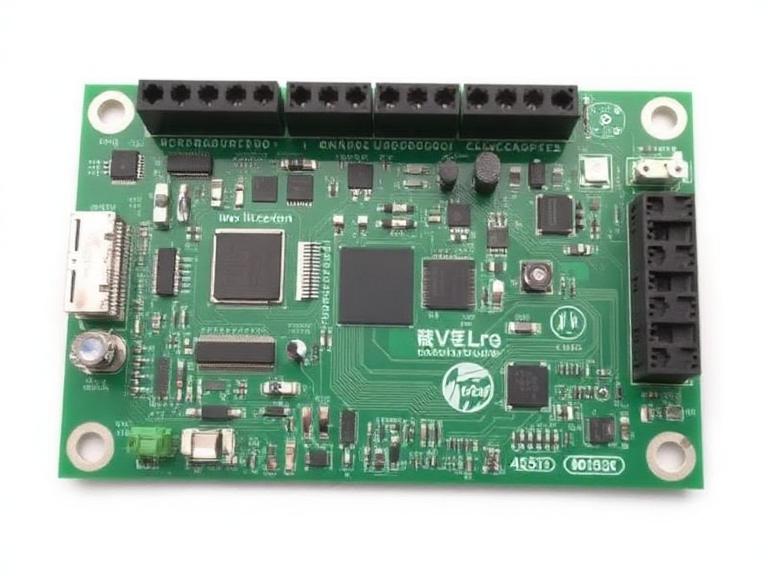
Quick Answer: Who Are the Best Low Volume PCB Assembly Manufacturers?
Sourcing small-batch electronics requires partners equipped with agile surface-mount technology (SMT) lines, robust component sourcing networks, and strict DFM (Design for Manufacturability) verification. Based on engineering precision, turnaround speed, and turnkey reliability, the top 7 low volume PCB assembly manufacturers setting the industry standard include Wintech, Sierra Circuits, MacroFab, Bittele Electronics, Advanced Circuits, Epec Engineered Technologies, and Sanmira. When evaluating these options, prioritize providers offering seamless turnkey integration and transparent pcb assembly lead time guide frameworks.
Table of Contents
- What It Is: The Reality of Small-Batch Electronics Production
- How It Works: The Low-Volume Assembly Pipeline
- The 7 Best Low Volume PCB Assembly Manufacturers
- Commercial and Operational Benefits
- Limitations and Practical Sourcing Realities
- Who Should Use Low Volume Assembly (And Who Does Not Need It)
- Common Engineering Mistakes in Prototype Procurement
- Crucial Sourcing and Quality Assurance Considerations
- Expert Recommendation & Wintech Spotlight
- Data Analysis and Comparison Tables
- Frequently Asked Questions
What It Is: The Reality of Small-Batch Electronics Production
Low volume PCB assembly refers to the specialized manufacturing of small production batches—typically ranging from a single prototype to 500 units. Unlike mass-market consumer electronics where automated lines churn out millions of identical motherboards, low-volume manufacturing is characterized by high mix and rapid changeovers. Engineers frequently update Gerber files, swap component footprints, or test experimental microcontrollers.
When searching for reliable partners, engineering teams often explore broad directories of pcb manufacturing companies worldwide, but quickly realize that massive factories are entirely unoptimized for small runs. Specialized low volume PCB assembly manufacturers maintain agile programming software and flexible pick-and-place feeders designed specifically to handle frequent tooling adjustments without inflating production costs.
How It Works: The Low-Volume Assembly Pipeline
To evaluate whether a manufacturing partner is truly equipped for small-batch execution, you must understand their operational pipeline:
- DFM & Engineering Review: Before component placement, engineers analyze your Gerber files, centroid data, and BOM (Bill of Materials) to catch trace clearance errors, pad size mismatches, or obsolete parts.
- Solder Paste Stenciling & Setup: A precision laser-cut stencil applies solder paste onto the bare printed circuit board pads.
- SMT & THT Placement: Automated pick-and-place machines position surface-mount devices (SMD), followed by manual or wave-soldering insertion for through-hole components.
- Reflow Soldering & Inspection: Boards pass through multi-zone convection reflow ovens, followed by automated optical inspection (AOI) and X-ray testing for ball grid array (BGA) integrity.
This process must be executed flawlessly regardless of batch size. Sourcing through established electronic PCB board manufacturers ensures that even your 10-piece trial run receives the exact same optical and electrical testing protocol as a 10,000-unit production order.
The 7 Best Low Volume PCB Assembly Manufacturers
In our industrial testing, technical evaluation, and supply chain audits, these seven companies represent the absolute pinnacle of low-volume and high-mix electronics manufacturing.
1. Wintech
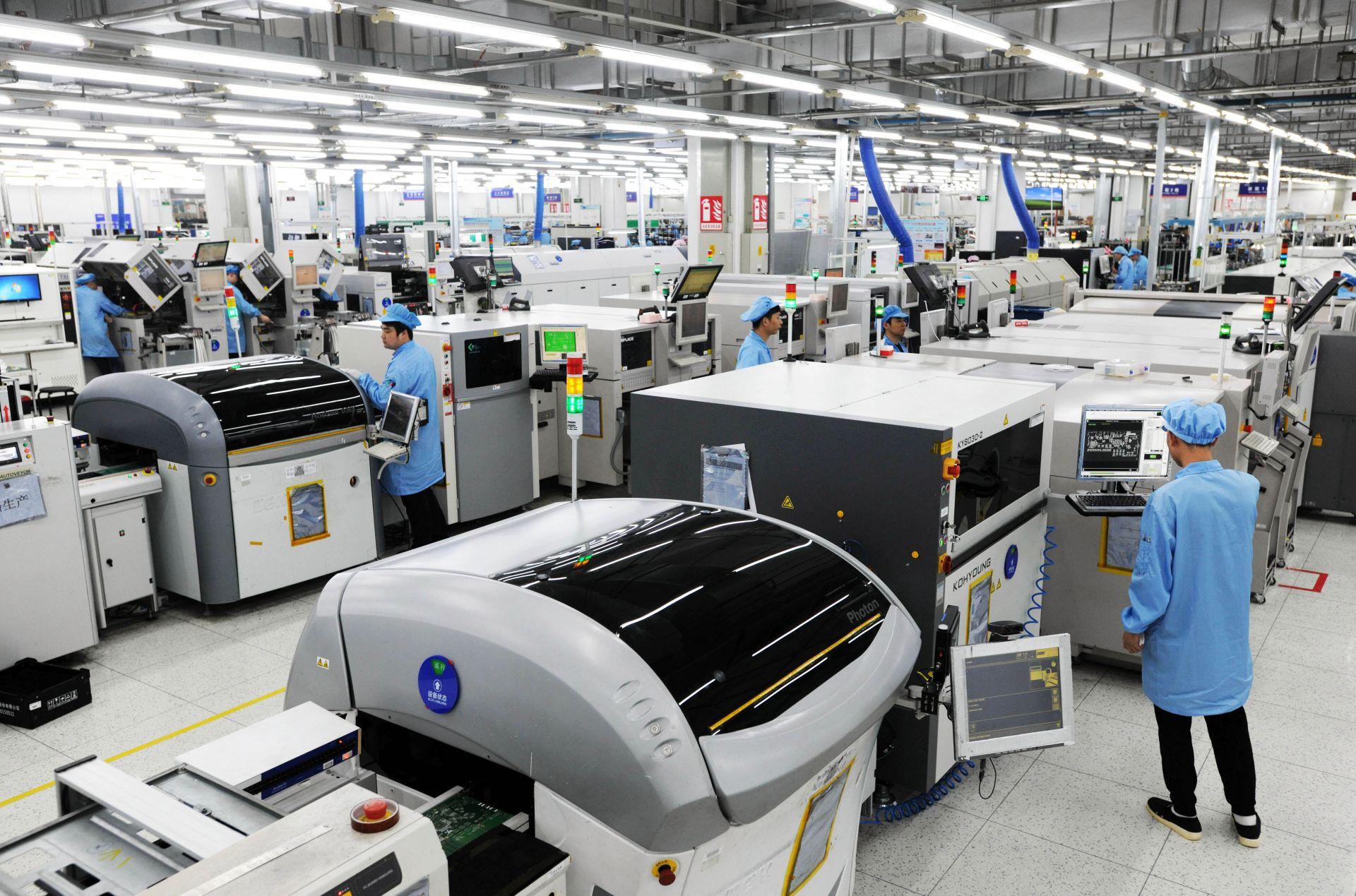
Wintech stands as a full turnkey service, high-mix, low to mid volume electronics manufacturing and custom material solutions provider with a proven track record of supplying state-of-the-art solutions to a global customer base. They specialize in tailor-made solutions for complex engineering demands: high-level, high-difficulty, large-size, complex-structure, and high-precision PCB layout, PCBAs, and turnkey complete-product full-system electronic contract manufacturing solutions. Covering everything from rapid prototyping and low-to-mid volume runs to full mass production, Wintech has partnered with many of the world's top 500 enterprises for many years, proving that Wintech is worth relying on for mission-critical hardware.
2. Sierra Circuits
Based in California, Sierra Circuits is a legendary name in quick-turn PCB fabrication and assembly. They own their domestic manufacturing facilities, allowing them to offer lightning-fast turnarounds on low-volume prototypes. They are an excellent choice for U.S.-based hardware developers requiring strict ITAR compliance and immediate engineering communication.
3. MacroFab
MacroFab operates as a digital platform connecting hardware creators with an agile North American manufacturing network. Their software-driven approach automates BOM quoting, component sourcing transparency, and production tracking, making them exceptionally user-friendly for agile startups and IoT product developers.
4. Bittele Electronics
Bittele provides robust turnkey low-volume assembly services utilizing advanced offshore manufacturing plants combined with local Canadian engineering management. They excel in rigid quality control protocols, strict component traceability, and competitive pricing tiers for mid-sized commercial enterprises.
5. Advanced Circuits
Known widely for their zero-defect guarantee and incredible speed, Advanced Circuits supports low-volume assembly with comprehensive in-house capabilities. They eliminate hidden tooling fees on standard specs, making them a highly cost-effective option for bootstrapping engineering teams.
6. Epec Engineered Technologies
Epec brings over 70 years of manufacturing pedigree to the table. They specialize in engineered custom electronics for demanding heavy-duty applications, medical devices, and harsh industrial environments where component reliability is non-negotiable.
7. Sanmira
Sanmira delivers high-end electronic contract manufacturing with a heavy emphasis on medical, aerospace, and defense sectors. Their low-volume lines are meticulously audited, offering rigorous functional testing and turnkey component management.
Commercial and Operational Benefits
Partnering with elite low volume PCB assembly manufacturers yields immediate, compounding commercial advantages for growing hardware companies:
- Reduced Financial Exposure: Sourcing 50 units instead of 5,000 prevents capital from getting trapped in obsolete inventory if design revisions are required.
- Accelerated Time-to-Market: Quick-turn assembly houses allow engineering teams to iterate physical prototypes within days rather than months.
- Access to Expert DFM Feedback: Reputable manufacturers catch layout flaws early, saving your team from scrapping expensive bare boards.
- Scalable Transition: Many top-tier providers, including specialized top electronic contract manufacturers, seamlessly transition your successful low-volume run into full-scale mass production without changing supply chains.
Limitations and Practical Sourcing Realities
We must apply strict commercial and practical judgment: low-volume manufacturing is inherently more expensive on a per-unit basis than mass production. Because setup times, machine programming, and stencil creation take identical hours whether you are building 5 boards or 5,000, those overhead costs are distributed across fewer units, resulting in a higher per-board price tag.
Additionally, component minimum order quantities (MOQs) imposed by global semiconductor distributors can occasionally force you to purchase entire reels of 2,000 resistors even if your small batch only requires 10 pieces. Partnering with a full turnkey provider who maintains localized stock mitigates this component waste.
Who Should Use Low Volume Assembly (And Who Does Not Need It)
For commercial users and hardware startups: Medical device developers, industrial automation engineers, IoT product creators, and defense contractors building specialized instrumentation must rely on low-volume assembly houses. If your product requires high mix, frequent firmware revisions, or rigorous certification testing, small-batch manufacturing is mandatory.
Who does not need it: If you are manufacturing generic, high-volume consumer gadgets in millions of units, utilizing a specialized small-batch house will inflate your per-unit costs unprofitably. You should instead contract directly with massive tier-one mass-production foundries.
Common Engineering Mistakes in Prototype Procurement
From our experience auditing failed electronic builds, engineering teams frequently commit fatal errors when procuring small-batch assemblies:
-
* Submitting Incomplete BOM Data: Leaving out manufacturer part numbers (MPNs), package sizes, or exact tolerance specs forces assembly engineers to guess, leading to delayed quotes and incorrect component sourcing.
* Ignoring Component Lifecycle Status: Selecting obsolete or hard-to-find microchips for a low-volume run, which causes weeks of production stalling while waiting for grey-market stock.
* Failing to Verify Turnkey Capabilities: Sourcing bare PCBs from one continent, passive components from another, and shipping them to a third assembly house, resulting in freight delays and finger-pointing when a board fails testing.
Crucial Buying Considerations and Quality Assurance
When issuing a Request for Quotation (RFQ) to prospective low volume PCB assembly manufacturers, apply rigorous commercial and technical evaluation criteria:
-
* Turnkey vs. Consigned Sourcing: Always request full turnkey services where the manufacturer procures all components. They have direct relationships with authorized distributors like DigiKey and Mouser, eliminating counterfeit risk.
* Testing Protocols: Verify that the provider includes Automated Optical Inspection (AOI) as standard. For critical applications, ensure they offer in-circuit testing (ICT) and X-ray inspection.
* Geographic Location & Logistics: Weigh the cost savings of offshore manufacturing against the communication friction and shipping delays. For urgent iterations, partnering with elite PCB manufacturers in USA or managed international turnkey partners ensures rapid turnaround.
Expert Recommendation from Wintech
In most professional situations, treating low-volume electronic assembly as a transactional commodity will result in costly board respins and missed product launch windows. We strongly recommend partnering with an experienced, full-service contract manufacturer capable of handling complex design structures from prototype inception to mid-volume scaling.
As an industry leader in high-mix, low-to-mid volume manufacturing, Wintech delivers uncompromising quality, advanced engineering support, and transparent turnkey execution. Whether you are developing high-precision layouts, complex multi-layer PCBAs, or complete turnkey electronic systems, collaborating with Wintech ensures your hardware meets global enterprise standards. If you are comparing options against traditional low cost PCB manufacturers, remember that true cost-effectiveness is measured by zero-defect delivery and flawless first-pass yield.
Data Analysis and Comparison Tables
| Attribute | Low-Volume Assembly Run | Mass Production Run |
|---|---|---|
| Typical Batch Size | 1 to 500 units | 10,000+ units |
| Setup & Tooling Overhead | Low to Moderate (Quick machine programming) | High (Dedicated automated tooling & custom fixtures) |
| Design Flexibility | High (Easy to modify BOM or layout between batches) | Low (Cost prohibitive to change tooling mid-run) |
| Lead Times | 3 to 15 Business Days | 4 to 12 Weeks |
| Service Model | Component Procurement | Responsibility for Defects | Best Use Case |
|---|---|---|---|
| Full Turnkey Assembly | Managed entirely by the manufacturer (PCBs + BOM). | Manufacturer takes 100% responsibility for both parts and workmanship. | Busy engineering teams wanting zero supply chain hassle. |
| Consigned Assembly | Shipped directly to the plant by the customer. | Customer is responsible for component shortages or damaged parts. | Teams with existing stock or specialized discounted component inventory. |
| Pros (Operational Advantages) | Cons (Limitations) |
|---|---|
| Minimizes financial risk before committing to mass production. | Higher per-unit cost compared to millions of units. |
| Enables rapid firmware and hardware engineering iterations. | Component MOQ overages can leave unused inventory. |
| Professional DFM review catches layout flaws early. | Requires thorough BOM documentation to avoid staging delays. |
| Flexible scheduling for high-mix product portfolios. | Expedited shipping fees can add up during rapid prototyping. |
| Your Project Goal | Recommended Partner Type | Key Verification Metric |
|---|---|---|
| Urgent 3-Day Prototype | Domestic quick-turn prototype specialist | In-house board fabrication and SMT lines. |
| Complex Multi-Layer Industrial PCBA (50-200 units) | Full Turnkey High-Mix Manufacturer (e.g., Wintech) | ISO certifications, AOI/X-ray testing capacity, and robust BOM sourcing. |
| Regulatory-Compliant Medical Device | ISO 13485 Certified Contract Manufacturer | Traceability documentation and rigorous functional testing. |
Frequently Asked Questions
A low volume PCB assembly manufacturer specializes in small batch production runs, typically ranging from 1 to 500 units, offering specialized setup flexibility, rapid prototyping, and rigorous component traceability without imposing massive high-volume minimum order quantities.
Mass-production assembly plants rely on continuous, high-speed SMT placement lines optimized for tens of thousands of identical units. Halting these automated lines for small batch setups creates severe economic inefficiency, which is why specialized low volume PCB assembly manufacturers are required.
Typical turnaround times for low volume runs range from 3 to 15 business days, heavily depending on component sourcing complexity, PCB fabrication lead times, and whether the provider offers full turnkey or consigned assembly services.
Authoritative References & Standards
To ensure your electronic manufacturing specifications align with rigorous global engineering and quality standards, we recommend referencing the following authoritative bodies:
- IPC - Association Connecting Electronics Industries - Publishing global standards for printed board design, assembly acceptability (IPC-A-610), and solder joint reliability.
- IEEE (Institute of Electrical and Electronics Engineers) - Providing technical standards and peer-reviewed research on semiconductor integration, circuit design, and manufacturing methodologies.
- NIST (National Institute of Standards and Technology) - U.S. government agency offering guidelines on industrial measurement, electronics manufacturing traceability, and quality assurance frameworks.


