

9 Applications of Flexible Printed Circuits
In modern electronic engineering, spatial constraints and dynamic mechanical requirements have pushed traditional rigid boards to their absolute limits. As a result, the Applications of Flexible Printed Circuits (FPCs) have expanded exponentially across almost every major industry. These advanced circuit boards consist of metallic traces bonded to a flexible dielectric layer, allowing them to bend, fold, and twist without compromising signal integrity. From our experience, shifting from rigid boards to flexible solutions not only reduces overall device weight by up to 70% but also enhances reliability by eliminating bulky connectors and wiring harnesses.
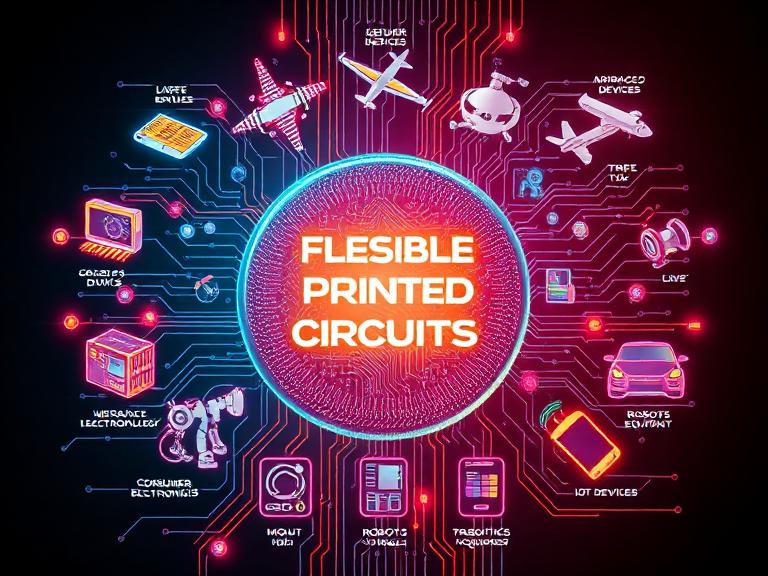
Wintech is a full turnkey service, high-mix, low to mid volume electronics manufacturing and custom material solutions provider with a proven track record of supplying state-of-the-art solutions to a global customer base. We provide tailor made solutions for our customers: high level, high difficult, large size, complex structure, high precision PCB Layout, PCBAs and turnkey complete products full systems electronic contract manufacturing solutions, prototyping, low to mid volume, and mass production. Many of the world's top 500 enterprises have cooperated with us for many years. Wintech is worth relying on.
Exploring the myriad Applications of Flexible Printed Circuits is crucial for product developers looking to innovate. We recommend evaluating your project's mechanical and thermal requirements early in the design phase to leverage the full potential of FPCs. Throughout this comprehensive technical guide, we will delve into the 9 primary Applications of Flexible Printed Circuits, detailing how Wintech's end-to-end manufacturing capabilities can bring your most complex concepts to reality.
Table of Contents
- Introduction to Flexible Printed Circuits
- 1. Consumer Electronics and Smart Wearables
- 2. Automotive Systems and Electric Vehicles (EVs)
- 3. Medical Devices and Health Monitoring Systems
- 4. Aerospace and Aviation Electronics
- 5. Industrial Robotics and Automation
- 6. Telecommunications and 5G Infrastructure
- 7. Military and Tactical Equipment
- 8. Computer Peripherals and Data Storage
- 9. Renewable Energy and Smart Grids
- The Wintech Manufacturing Advantage
- Summary Table of Applications
- Frequently Asked Questions (FAQs)
- References
Introduction to Flexible Printed Circuits
Before diving into the specific industry use cases, it is vital to understand why the Applications of Flexible Printed Circuits have become the gold standard in electronics. FPCs are typically constructed using polyimide or polyester films, which offer exceptional thermal stability and chemical resistance. When engineers partner with a capable manufacturer for their PCB Design & Layout, they can map out complex, three-dimensional circuitry that contours to the shape of the product housing, rather than forcing the housing to accommodate a flat, rigid board.
We recommend utilizing FPCs whenever dynamic flexing (continuous movement) or static flexing (bend-to-fit assembly) is required. The ability to replace traditional wiring harnesses with a single, streamlined flexible circuit significantly reduces assembly errors and lowers parasitic inductance, a crucial factor in high-speed digital applications.
1. Consumer Electronics and Smart Wearables
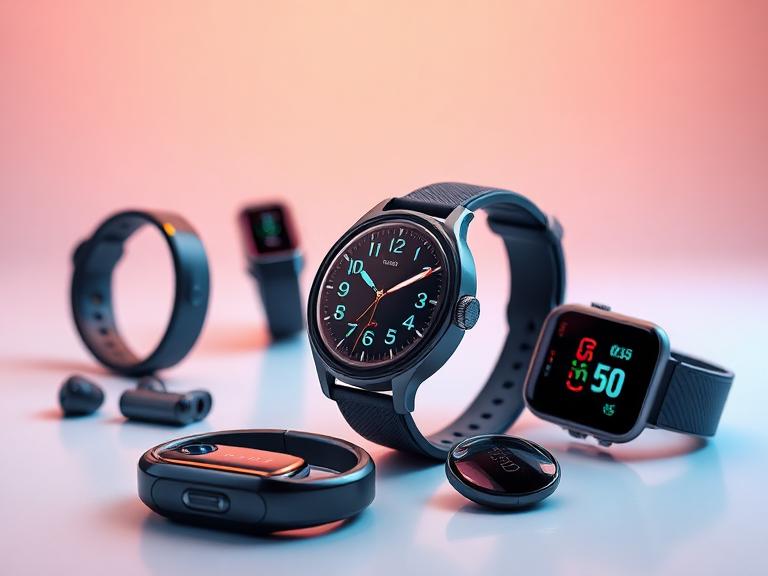
Among the most visible Applications of Flexible Printed Circuits is the consumer electronics sector. Smartphones, tablets, folding displays, and smartwatches demand ultra-compact internal architectures. The continuous drive toward miniaturization makes traditional rigid boards obsolete in certain sub-assemblies. FPCs are used to connect camera modules, display panels, and biometric sensors to the main motherboard within millimeters of clearance.
From our experience, the reliability of wearables hinges on the quality of the FPC. Smartwatches must endure thousands of flexing cycles on the user's wrist while maintaining flawless sensor data transmission. Through our PCB Assembly & PCBA SMT services, Wintech accurately populates these delicate flexible substrates with micro-components, ensuring zero defects in consumer-grade mass production.
2. Automotive Systems and Electric Vehicles (EVs)
The automotive industry is undergoing a paradigm shift, and the Applications of Flexible Printed Circuits within modern vehicles are staggering. Electric Vehicles (EVs) rely heavily on Battery Management Systems (BMS) to monitor cell temperature and voltage. FPCs replace heavy, cumbersome wire harnesses within battery packs, reducing vehicle weight and increasing driving range.
Furthermore, advanced driver-assistance systems (ADAS), infotainment dashboards, and LED lighting arrays utilize FPCs to fit complex electronics behind curved dashboards and steering columns. We recommend automotive designers leverage FPCs to handle the high vibration and temperature fluctuations present in vehicular environments, ensuring long-term operational stability.
3. Medical Devices and Health Monitoring Systems
In life-saving technologies, failure is not an option. The Applications of Flexible Printed Circuits in the medical field encompass implantable devices, hearing aids, portable defibrillators, and continuous glucose monitors. Medical electronics must be biologically inert, lightweight, and capable of conforming to the human body.
Flexible circuits allow for the creation of smart patches that adhere to a patient's skin, capturing real-time biometric data without causing discomfort. Due to the strict regulatory standards in medical manufacturing, executing a flawless New Product Introduction NPI process is critical. Wintech guides medical device innovators through rigorous prototyping and validation phases to ensure compliance and patient safety.
4. Aerospace and Aviation Electronics
Weight reduction directly correlates to fuel savings in the aerospace sector. Consequently, the Applications of Flexible Printed Circuits in aviation are primarily driven by the need to replace heavy wiring looms. Satellites, avionics flight controls, and cabin management systems utilize FPCs for their superior strength-to-weight ratio and ability to withstand extreme atmospheric pressures and temperature variations.
From our experience, aerospace engineers require materials that resist outgassing in a vacuum. Polyimide-based flexible circuits excel in these environments. When navigating the complexities of aerospace circuitry, our PCB Manufacturing capabilities ensure that every layer and via meets the highest tolerances demanded by orbital and sub-orbital operations.
5. Industrial Robotics and Automation
Industrial automation represents one of the most mechanically demanding Applications of Flexible Printed Circuits. Robotic arms in assembly lines execute repetitive, dynamic movements millions of times per year. Rigid cables quickly suffer from metal fatigue and break under constant bending, leading to costly factory downtime.
Dynamic FPCs are engineered specifically for continuous flexion. They route power and control signals smoothly through the articulated joints of a robotic arm. We recommend incorporating custom FPCs in industrial machinery to dramatically extend the Mean Time Between Failures (MTBF) and streamline the internal wiring pathways of compact sensor nodes.
6. Telecommunications and 5G Infrastructure
The rollout of 5G networks requires massive arrays of antennas and high-frequency transceivers. The Applications of Flexible Printed Circuits in telecommunications are essential for managing high-speed signal integrity. FPCs manufactured with low-loss dielectric materials minimize signal attenuation, making them ideal for base station components and microwave transmission devices.
As telecom equipment becomes denser, the thermal management and spatial flexibility offered by FPCs allow engineers to pack more processing power into smaller, weather-resistant enclosures mounted on cellular towers.
7. Military and Tactical Equipment
Tactical gear must survive the harshest environments on Earth. The Applications of Flexible Printed Circuits in military electronics include ruggedized communication radios, night vision goggles, and portable radar systems. The ability of an FPC to fold compactly into reinforced enclosures protects sensitive circuitry from shock and ballistic impact.
For large-scale defense contractors, leveraging our China OEM Manufacturing services ensures that highly specialized, military-grade flexible circuits can be produced reliably at scale, meeting rigorous quality assurance protocols from the first prototype to full deployment.
8. Computer Peripherals and Data Storage
Look inside any modern computer peripheral, and you will find Applications of Flexible Printed Circuits. Hard Disk Drives (HDDs) utilize dynamic FPCs to connect the moving read/write actuator arm to the main control board. Inkjet printers rely on continuous-flex FPCs to deliver data to the print head as it rapidly traverses the paper.
These applications demand incredibly thin copper traces that can endure millions of rapid, microscopic movements without fracturing, showcasing the unparalleled mechanical resilience of flexible PCB technology.
9. Renewable Energy and Smart Grids
The transition to green energy has introduced new Applications of Flexible Printed Circuits. Thin-film solar panels and flexible photovoltaic arrays use FPCs as the underlying connective tissue, allowing solar cells to be mounted on curved surfaces like vehicle roofs or architectural domes.
Additionally, smart grid monitoring devices and battery storage interfaces utilize FPCs for efficient power routing. When developing these robust energy systems, seamless integration with external housings is necessary. Wintech supports this through comprehensive Plastic Molding services, ensuring the flexible electronics are perfectly sealed against harsh outdoor elements.
The Wintech Manufacturing Advantage
Understanding the Applications of Flexible Printed Circuits is only the first step; executing their production requires an elite manufacturing partner. The transition from a rigid design mindset to a flexible one introduces challenges regarding bend radii, copper grain orientation, and coverlay selection.
From our experience, the fastest way to validate a flexible design is through iterative testing. We recommend utilizing our Quick Turn Fast PCB Prototype services. This allows your engineering team to physical test the bending dynamics and signal integrity of the FPC within the actual product enclosure before committing to mass production. By offering a full turnkey solution, Wintech eliminates the supply chain fragmentation that often delays complex flexible circuit projects.
Summary Table of Applications
| Industry Sector | Primary Benefit of FPCs | Typical Use Case |
|---|---|---|
| Consumer Electronics | Extreme miniaturization and folding capabilities. | Smartphone hinges, smartwatch displays. |
| Automotive / EV | Weight reduction and vibration resistance. | Battery Management Systems, LED clusters. |
| Medical Devices | Biocompatibility and conformability to human anatomy. | Wearable health monitors, hearing aids. |
| Aerospace | High strength-to-weight ratio; vacuum stability. | Satellite instrumentation, avionics. |
| Industrial Automation | Dynamic flexion endurance. | Robotic arms, automated assembly lines. |
| Telecommunications | High-frequency signal integrity. | 5G antennas, microwave transceivers. |
| Military | Shock resistance and ruggedization. | Night vision, tactical communication gear. |
| Computer Peripherals | High-speed dynamic data transfer. | Printer heads, HDD actuator arms. |
| Renewable Energy | Flexible mounting on curved surfaces. | Thin-film solar panels, smart grid monitors. |
Frequently Asked Questions (FAQs)
What are the most common Applications of Flexible Printed Circuits?
The most common Applications of Flexible Printed Circuits are found in consumer electronics (smartphones, laptops, wearables), medical devices (implantable tech, sensors), automotive (EV battery systems, dashboard electronics), and aerospace. They are primarily used wherever space, weight, or continuous movement makes traditional rigid boards impractical.
Why should I choose an FPC over a standard rigid PCB?
We recommend FPCs when your product design requires bending during assembly, continuous flexing during operation, or significant weight reduction. From our experience, replacing multiple rigid boards and wire harnesses with a single rigid-flex or purely flexible circuit improves overall product reliability by eliminating vulnerable connection points.
Can components be mounted directly onto a flexible circuit?
Yes. Through Surface Mount Technology (SMT), components can be soldered directly onto FPCs. However, it requires precise thermal profiling and specialized fixtures during assembly to prevent damage to the flexible substrate. Wintech’s advanced PCBA SMT lines are specifically calibrated to handle the nuances of flexible board population.
How does Wintech support the development of custom FPCs?
Wintech provides a full turnkey solution. We assist from the initial PCB Design & Layout phase, ensuring proper bend radii and material selection, through Quick Turn Prototyping, and into final China OEM Manufacturing. Our holistic approach guarantees that your FPC integrates seamlessly into its final mechanical enclosure.
References
To further explore the engineering standards, material science, and global impact surrounding flexible electronics, please consult the following authoritative resources:


