

9 Materials Are Used to Make a Printed Circuit Board
In the highly complex world of modern electronics, the foundation of every functional device relies on the structural integrity and electrical reliability of its bare board. Hardware engineers, product managers, and procurement specialists frequently ask us exactly what materials are used to make a printed circuit board. Understanding the composition of these fundamental components is critical for optimizing signal integrity, thermal management, and mechanical durability in any electronic assembly.
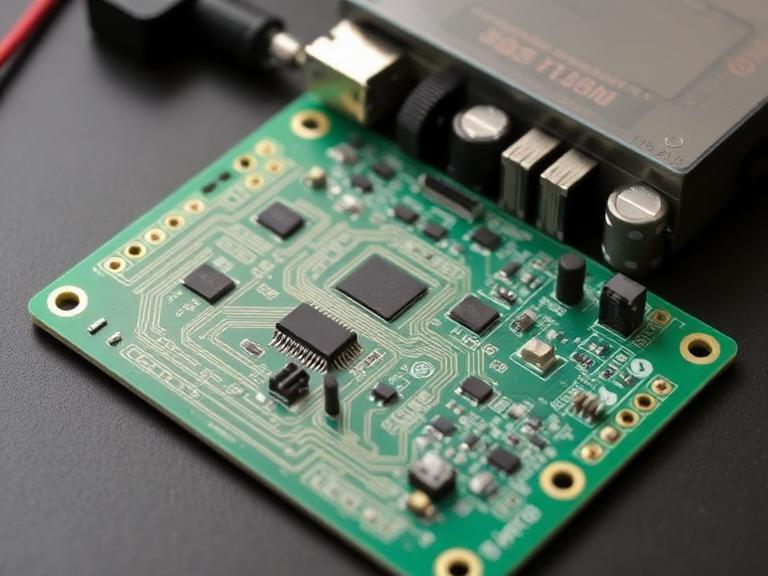
Wintech is a full turnkey service, high-mix, low to mid volume electronics manufacturing and custom material solutions provider with a proven track record of supplying state-of-the-art solutions to an all global customer base. We provide tailor-made solutions for our customers: high level, high difficult, large size, complex structure, high precision PCB Layout, PCBAs and turnkey complete products full systems electronic contract manufacturing solutions. Many of the world's top 500 enterprises have cooperated with us for many years; Wintech is worth relying on. From our experience in prototyping, low to mid volume, and mass production runs, we know that selecting the right materials is the first and most critical step in product development.
In this comprehensive technical article, we will dissect the anatomy of modern electronics and explore the specific 9 materials are used to make a printed circuit board. Whether you are designing aerospace controls or consumer electronics, understanding these substrates, conductive foils, and protective coatings will help you make highly informed engineering decisions.
Table of Contents
- 1. Core Substrates and Base Laminates
- 2. Conductive Elements and Routing
- 3. Advanced Substrates for High-Performance Environments
- 4. Protective Layers and Surface Finishes
- 5. How Wintech Leverages These Materials for Your Success
- 6. Summary Table: Materials Are Used to Make a Printed Circuit Board
- 7. Frequently Asked Questions (FAQs)
- 8. Industry References
1. Core Substrates and Base Laminates
The structural backbone of any electronic board determines its mechanical strength, thermal endurance, and dielectric properties. When specifying what materials are used to make a printed circuit board, the core substrate is the most voluminous component.
1. FR4 (Fiberglass Epoxy Laminate)
The undisputed industry standard for rigid boards is FR4. The "FR" stands for flame retardant, indicating that the material complies with UL94V-0 standards. FR4 is actually a composite material consisting of woven fiberglass cloth impregnated with an epoxy resin binder. From our experience, standard FR4 provides an excellent balance between cost, mechanical strength, and electrical insulation. We recommend standard Tg (Glass Transition Temperature) FR4 for standard consumer electronics, and high-Tg FR4 (170 degrees Celsius or higher) for complex multi-layer boards or designs subjected to intense thermal cycling during lead-free PCB Assembly & PCBA SMT processes.
2. Prepreg (Pre-impregnated Resin)
Prepreg is the essential bonding material used to glue the various layers of a multilayer board together. It consists of the same woven fiberglass core as FR4, but the epoxy resin is only partially cured (known as B-stage resin). During the pressing stage of PCB Manufacturing, heat and extreme pressure are applied. The resin melts, flows to fill the gaps between copper traces, and then fully cures into a solid C-stage state. Understanding how prepreg materials are used to make a printed circuit board is crucial for engineers calculating controlled impedance, as the thickness and resin content of the prepreg directly affect the dielectric constant.
2. Conductive Elements and Routing
Without conductive pathways, a board is simply a piece of fiberglass. The materials responsible for carrying electrical currents and signals must be highly conductive, pure, and capable of extreme adhesion.
3. Copper Foil
Copper is the primary conductive material used in almost all electronic manufacturing. Copper foils are laminated onto the core substrates to create the pathways (traces) that connect electronic components. When evaluating what materials are used to make a printed circuit board, copper thickness is a primary variable. It is typically measured in ounces per square foot (oz/ft2). Standard digital boards usually feature 1 oz or 0.5 oz copper, while power electronics might require heavy copper ranging from 2 oz up to 6 oz to safely carry high currents without catastrophic thermal failure. We recommend utilizing Electrodeposited (ED) copper for standard rigid boards and Rolled-Annealed (RA) copper for flexible applications due to its superior fatigue ductility.
3. Advanced Substrates for High-Performance Environments
Not all operating environments are created equal. For high-frequency transmissions or extreme heat dissipation, standard FR4 falls short. In these cases, highly specialized materials are used to make a printed circuit board.
4. Polyimide (PI)
Polyimide is a high-temperature engineering polymer that serves as the core substrate for flexible printed circuits (FPCs) and rigid-flex boards. Unlike rigid fiberglass, PI can bend, fold, and twist hundreds of thousands of times without compromising the electrical traces laminated to it. From our experience, polyimide is indispensable in aerospace, medical devices, and compact consumer electronics where space is highly constrained. It also boasts incredible thermal stability, easily surviving the high temperatures of soldering processes.
5. Aluminum and Metal Core Substrates (MCPCB)
Thermal management is a massive challenge in modern electronics, particularly in high-power LED lighting, automotive headlights, and power converters. To combat heat, metal materials are used to make a printed circuit board. An Aluminum or Metal Core PCB (MCPCB) utilizes a solid base of aluminum (or sometimes copper) covered by a highly specialized thermally conductive but electrically insulating dielectric layer. We recommend MCPCBs for any application where rapid heat dissipation away from critical active components is required to prevent thermal throttling or component destruction.
6. PTFE (Teflon)
For high-frequency, microwave, and Radio Frequency (RF) applications, signal loss (dissipation factor) must be kept to an absolute minimum. PTFE, commonly known as Teflon, is utilized as a substrate because it offers an exceptionally low and stable dielectric constant. When telecom engineers ask what materials are used to make a printed circuit board for 5G antennas or automotive radar systems, PTFE-based laminates (such as those manufactured by Rogers Corporation) are the definitive answer.
4. Protective Layers and Surface Finishes
Once the conductive copper traces are etched into the substrate, they cannot be left exposed to the atmosphere. Copper oxidizes rapidly, which degrades solderability and causes short circuits. Several protective materials are used to make a printed circuit board robust and long-lasting.
7. Solder Mask (LPI)
The iconic green color associated with circuit boards comes from the solder mask, though it can be manufactured in blue, red, black, white, or clear. Modern boards primarily use Liquid Photo-Imageable (LPI) solder mask. This epoxy-based polymer is applied over the entire board and then exposed to UV light through a photographic film (or via direct laser imaging). The unexposed areas are washed away, revealing only the copper pads that require soldering. The solder mask prevents solder bridges (accidental short circuits) during PCB Assembly & PCBA SMT, and protects the underlying traces from moisture, dust, and handling damage.
8. Silkscreen Ink (Nomenclature)
The silkscreen layer provides the human-readable text on the board. These epoxy inks are used to print component reference designators (e.g., R1, C2), polarity marks, company logos, and testing points. From our experience, a crisp, high-contrast silkscreen is vital for manual inspection, troubleshooting, and facilitating smooth New Product Introduction NPI phases where rapid identification of components accelerates the debugging process.
9. Surface Finish Metals
The final material applied to a board is the surface finish, which coats the exposed copper pads to protect them from oxidation while ensuring a highly solderable surface for component placement. Various metallic and organic materials are used to make a printed circuit board ready for assembly. Common finishes include:
- ENIG (Electroless Nickel Immersion Gold): A premium finish featuring a layer of nickel topped with a thin layer of gold. It offers excellent planarity (flatness) for fine-pitch BGA components and exceptional shelf life.
- HASL (Hot Air Solder Leveling): The board is dipped in molten solder (tin/lead or lead-free) and leveled with hot air knives. It is cost-effective but less flat than ENIG.
- OSP (Organic Solderability Preservative): A water-based organic compound that selectively bonds to copper. It is environmentally friendly and very flat, though it requires careful handling.
- Immersion Silver / Immersion Tin: Chemical replacements that offer high flat profiles suitable for high-speed signals.
5. How Wintech Leverages These Materials for Your Success
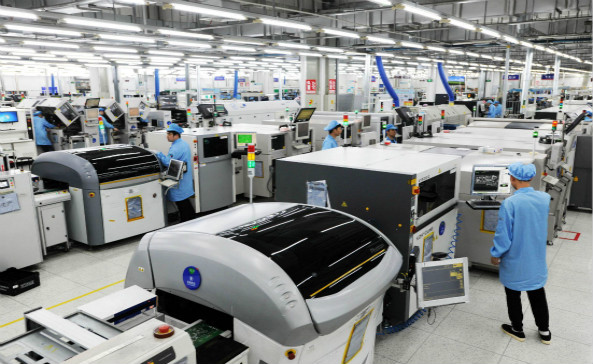
Understanding the 9 core materials are used to make a printed circuit board is just the beginning. The true value lies in how these materials are engineered, manufactured, and assembled into a cohesive electronic system. Wintech is uniquely positioned to handle every phase of this complex lifecycle.
Because we offer tailor-made solutions for our customers—ranging from high level, high difficult, large size, complex structure, to high precision—we tightly control the material selection process. Our comprehensive services include:
- PCB Design & Layout: Our engineering team selects the exact FR4, PTFE, or Polyimide materials needed to ensure your high-speed signals maintain integrity and your power planes dissipate heat effectively.
- PCB Manufacturing: We utilize state-of-the-art lamination and etching processes to handle complex multi-layer pressings of prepreg and copper foils with zero defects.
- PCB Assembly & PCBA SMT: Whether working with standard FR4 or fragile ceramic substrates, our surface mount technology lines handle precise component placement with exact thermal profiling to protect the integrity of the surface finishes.
- Quick Turn Fast PCB Prototype Assembly: Time to market is critical. We stock a vast array of the exact materials are used to make a printed circuit board so we can rapidly fabricate and assemble your prototypes without supply chain delays.
- New Product Introduction NPI: We guide your product from the breadboard to the factory floor, identifying potential material failures before mass production begins.
- Plastic Molding & Metal Precision Machining: Electronics do not exist in a vacuum. Beyond the board itself, we provide full systems electronic contract manufacturing solutions, providing custom enclosures and heat sinks that integrate seamlessly with your MCPCBs or FR4 boards.
6. Summary Table: Materials Are Used to Make a Printed Circuit Board
For quick reference, we have compiled the 9 essential materials into a responsive table, highlighting their primary functions within the electronic manufacturing ecosystem.
| Material Category | Specific Material | Primary Function / Characteristic |
|---|---|---|
| Core Substrate | 1. FR4 (Fiberglass Epoxy) | Provides structural rigidity, flame retardancy, and electrical insulation. |
| Bonding Agent | 2. Prepreg | Partially cured resin used to bond inner layers together during lamination. |
| Conductive Pathway | 3. Copper Foil | Etched to create electrical traces, power planes, and ground planes. |
| Flexible Substrate | 4. Polyimide (PI) | Provides a flexible, high-temperature base for dynamic bending applications. |
| Thermal Substrate | 5. Aluminum / Metal Core | Rapidly dissipates extreme heat away from high-power components (e.g., LEDs). |
| High-Frequency Core | 6. PTFE (Teflon) | Offers ultra-low dielectric loss for RF, microwave, and telecom applications. |
| Protective Coating | 7. Solder Mask (LPI) | Protects copper from oxidation and prevents solder bridging during assembly. |
| Identification Marking | 8. Silkscreen Ink | Provides human-readable text for component placement and troubleshooting. |
| Surface Protection | 9. Surface Finishes (ENIG, HASL) | Prevents pad oxidation and ensures a highly solderable surface for SMT. |
7. Frequently Asked Questions (FAQs)
8. Industry References
To further expand your understanding of the technical specifications governing what materials are used to make a printed circuit board, we recommend consulting the following authoritative bodies:
- IPC (Association Connecting Electronics Industries) - The global trade association establishing standards for the design, manufacture, and assembly of electronic equipment. Specifically, look into IPC-4101 for base materials.
- Underwriters Laboratories (UL) - The authority on safety testing and certification, including the UL 94 standards for the flammability of plastic materials used in electronic substrates.
- IEEE (Institute of Electrical and Electronics Engineers) - A premier resource for academic and industry research regarding advanced dielectric materials and signal integrity in high-frequency laminates.


