

How Much Does It Cost to Have a PCB Made in 2026?
Determining the exact cost to have a PCB made is a critical step in the electronic product development lifecycle. Whether you are an electronics engineer drafting a high-frequency communications board or a procurement manager sourcing mass production for consumer electronics, understanding the nuanced variables that dictate manufacturing expenses is paramount. In 2026, the printed circuit board industry continues to evolve with advanced high-density interconnects, stringent quality standards, and fluctuating raw material economics. Accurately forecasting the cost to have a PCB made requires a deep dive into material science, layer stackups, surface finishes, and the comprehensive capabilities of your chosen manufacturing partner.
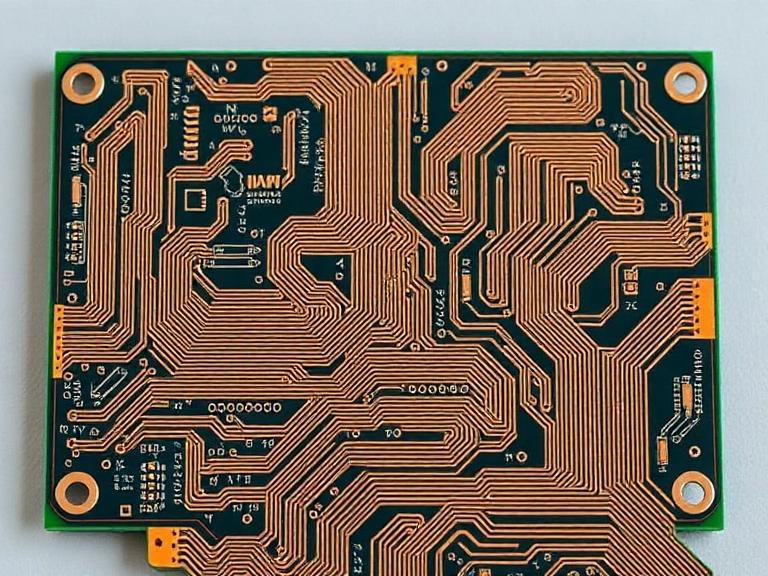
Wintech is a full turnkey service, high-mix, low to mid volume electronics manufacturing and custom material solutions provider with a proven track record of supplying state-of-the-art solutions to a global customer base. We provide tailor-made solutions for our customers, focusing on high level, high difficulty, large size, complex structure, and high precision designs. From initial prototyping to full systems electronic contract manufacturing solutions, many of the world's top 500 enterprises have cooperated with us for many years. Wintech is worth relying on. In this authoritative guide, we will break down exactly what determines the cost to have a PCB made in 2026 and how you can optimize your designs for manufacturing.
Table of Contents
- 1. Summary Table: Estimated Cost to Have a PCB Made
- 2. Base Materials and Substrate Selection
- 3. Layer Count and Stackup Complexity
- 4. Vias, Drill Holes, and Routing
- 5. Surface Finishes and Copper Weight
- 6. Comprehensive Turnkey Solutions by Wintech
- 7. Frequently Asked Questions (FAQs)
- 8. Industry References
1. Summary Table: Estimated Cost to Have a PCB Made
To provide immediate clarity, we have compiled a summary table reflecting the estimated cost to have a PCB made in 2026 based on common industry parameters. Please note that these figures represent bare board fabrication for a standard 100mm x 100mm prototype batch (typically 5 to 10 pieces) and do not include assembly or shipping fees.
| PCB Complexity | Layer Count | Material Type | Estimated Prototype Cost (Batch of 5-10) | Primary Cost Drivers |
|---|---|---|---|---|
| Basic / Simple | 1 to 2 Layers | Standard FR4 (Tg 130-140) | $10 - $30 | Standard routing, HASL finish, no complex vias. |
| Intermediate | 4 to 6 Layers | Mid-Tg FR4 (Tg 150) | $50 - $150 | Pressing cycles, impedance control, ENIG finish. |
| Advanced / HDI | 8 to 12+ Layers | High-Tg FR4 / Rogers | $300 - $800+ | Blind/buried vias, laser drilling, sequential lamination. |
| Specialty Rigid-Flex | 4+ Layers | Polyimide + FR4 | $500 - $1,500+ | Complex material bonding, laser profiling, specialized handling. |
2. Base Materials and Substrate Selection
The foundation of any printed circuit board is its substrate. When calculating the cost to have a PCB made, the choice of base material is often the first major financial variable. Standard FR4 (Flame Retardant 4) remains the most cost-effective and widely used material in the industry. However, not all FR4 is created equal. The Glass Transition Temperature (Tg) dictates how well the board handles thermal stress. Upgrading from a standard Tg 130 to a High-Tg 170 material will increase the cost to have a PCB made, but it is strictly necessary for boards that will undergo multiple thermal cycles during assembly or operate in harsh environments.
For radio frequency (RF), microwave, and advanced telecommunications applications, FR4 is often entirely unsuitable due to high signal loss and dielectric inconsistency. In these scenarios, engineers must utilize advanced substrates such as Rogers, Teflon (PTFE), or specialized ceramic-filled laminates. Using these premium materials can easily triple or quadruple the base cost to have a PCB made. From our experience, over-specifying materials is a common engineering error. We recommend collaborating with your manufacturing partner early in the design phase to select a substrate that meets your electrical requirements without inflating your budget unnecessarily.
3. Layer Count and Stackup Complexity
The total number of conductive copper layers has a direct, exponential impact on the cost to have a PCB made. A simple two-layer board requires only one core material, which is drilled, plated, etched, and coated. However, transitioning from a two-layer to a four-layer board changes the manufacturing process entirely. Multilayer boards require a core, prepreg materials, and the use of heavy hydraulic presses to bond the layers together under extreme heat and pressure.
Each additional pair of layers increases the machine time, the risk of misalignment (registration errors), and the material consumption. When analyzing the cost to have a PCB made for complex structures—such as 12-layer, 16-layer, or 24-layer boards—the pricing model shifts drastically. High layer counts require strict impedance control and sequential lamination cycles. From our experience managing high difficult and complex structure PCBs, minimizing layer count through efficient routing is the most effective way to control the overall cost to have a PCB made. Our engineering team routinely assists clients in optimizing their stackups to achieve peak performance while respecting budgetary constraints.
4. Vias, Drill Holes, and Routing
The mechanical operations performed on a printed circuit board are significant cost drivers. The cost to have a PCB made increases proportionately with the number of holes drilled and the complexity of the via structures. Standard through-hole vias, which penetrate the entire board from top to bottom, are the most economical choice. The manufacturer stacks multiple panels and drills them simultaneously using mechanical CNC drills.
However, modern High-Density Interconnect (HDI) designs often lack the physical real estate for through-hole vias. Designers must utilize blind vias (connecting an outer layer to an internal layer) and buried vias (connecting two internal layers). These structures require sequential lamination, meaning the board must be pressed, drilled, and plated multiple times during fabrication. This extensive machine time dramatically escalates the cost to have a PCB made. Furthermore, if the design calls for microvias (holes smaller than 0.15mm), expensive laser drilling technology is required. We recommend reserving blind, buried, and microvias strictly for high-density components like BGAs (Ball Grid Arrays) where routing space is absolutely critical.
5. Surface Finishes and Copper Weight
The exposed copper on a PCB must be protected from oxidation to ensure reliable solderability during the assembly process. The type of surface finish applied significantly influences the cost to have a PCB made. Hot Air Solder Leveling (HASL) and Lead-Free HASL are the most affordable options, providing excellent shelf life but resulting in an uneven surface topography that is unsuitable for fine-pitch components.
For modern, high-precision surface mount technology, Electroless Nickel Immersion Gold (ENIG) is the industry standard. ENIG provides a perfectly flat surface, excellent oxidation resistance, and superior electrical performance. Naturally, the inclusion of precious metals makes ENIG more expensive, raising the cost to have a PCB made. Other specialty finishes, such as Organic Solderability Preservatives (OSP), Immersion Silver, and Immersion Tin, offer varied benefits and price points. From our experience, ENIG provides the best return on investment for high-reliability boards.
Additionally, the weight (thickness) of the copper foil alters the cost. Standard boards utilize 1 oz copper (approximately 35 micrometers thick). High-power applications, such as power supplies or automotive controllers, may require 2 oz, 3 oz, or even heavy copper up to 10 oz. Etching heavy copper requires significantly more time and precise chemical control to prevent undercutting, thus increasing the cost to have a PCB made.
6. Comprehensive Turnkey Solutions by Wintech
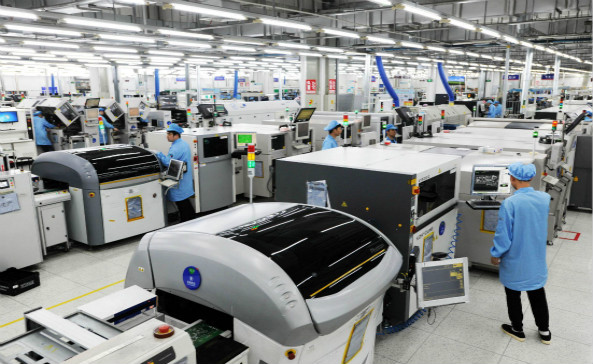
While the bare board fabrication costs are important, true efficiency is realized when partnering with a comprehensive electronics contract manufacturer. At Wintech, our full systems electronic contract manufacturing solutions drastically reduce the logistical overhead and hidden expenses associated with utilizing multiple vendors. The total cost to have a PCB made and assembled drops significantly when the entire process is managed under one roof.
Our comprehensive services begin at the engineering level with PCB Design & Layout. By utilizing our design services, clients ensure their boards are optimized for Design for Manufacturability (DFM) from day one, preventing costly redesigns. We then seamlessly transition the files to our PCB Manufacturing division.
For clients needing rapid validation, we offer Quick Turn Fast PCB Prototype Assembly. Prototyping allows engineers to verify functionality before committing to expensive high-volume tooling. Once the prototype is validated, our New Product Introduction NPI team ensures a smooth transition to low to mid volume or mass production. The PCB Assembly & PCBA SMT lines utilize state-of-the-art pick-and-place robotics and automated optical inspection (AOI) to guarantee flawless solder joints and component placement.
Wintech's capabilities extend far beyond the circuit board. For clients requiring fully boxed products, we provide custom material solutions including Plastic Molding for custom enclosures and Metal Precision Machining for heat sinks and structural components. By consolidating these services, we offer unmatched traceability, quality control, and cost efficiency, proving why many of the world's top 500 enterprises have cooperated with us for many years.
7. Frequently Asked Questions (FAQs)
Why does the cost to have a PCB made decrease as order volume increases?
The initial cost to have a PCB made includes significant non-recurring engineering (NRE) charges. This encompasses CAM engineering setup, creating photolithography masks, and programming CNC drills and routers. When you order a prototype batch, these fixed setup costs are divided among a few boards. In mass production, these exact same setup costs are distributed across thousands of boards, drastically lowering the unit price.
How does impedance control affect the cost to have a PCB made?
Impedance control requires the manufacturer to strictly monitor the dielectric thickness of the prepreg layers and the exact width of the copper traces to ensure high-frequency signals do not degrade. This requires tighter manufacturing tolerances, specialized testing via Time-Domain Reflectometers (TDR), and potentially more expensive substrate materials, all of which increase the cost to have a PCB made.
Can Wintech assist in reducing my overall cost to have a PCB made?
Absolutely. From our experience, engaging our PCB Design & Layout and New Product Introduction NPI teams early in your project allows us to conduct a thorough DFM review. We can suggest alternative standard materials, optimize panel utilization to reduce waste, and minimize complex via structures without sacrificing electrical performance.
What is the difference between PCB Manufacturing and PCB Assembly?
PCB Manufacturing refers exclusively to the fabrication of the bare, unpopulated fiberglass and copper circuit board. PCB Assembly (PCBA) is the subsequent process of applying solder paste, placing the electronic components (microchips, resistors, capacitors) onto the board, and running it through a reflow oven. Wintech provides both services natively as a full turnkey solution.
8. Industry References
1. Institute for Printed Circuits (IPC). "IPC-2221B: Generic Standard on Printed Board Design." Northbrook, IL: IPC, 2025.
2. Global Electronics Manufacturing Consortium. "Economic Drivers and Substrate Material Costs in 2026 High-Density Interconnect Fabrication." Geneva, 2026.
3. Wintech Internal Engineering Archives. "Optimizing NPI and SMT Processes for High-Mix, Low-Volume Contract Manufacturing." 2026.


