

How do different PCB materials impact heat dissipation?
In modern electronic hardware design, management of thermal energy has shifted from a secondary packaging consideration to a primary system constraint. As multi-layer high-density interconnect environments compress component spacing and computing workloads drive silicon currents higher, localized heat flux can quickly destabilize critical nodes. Understanding exactly how different PCB materials impact heat management pathways is the baseline requirement for maintaining product lifespans and preventing premature hardware failure.
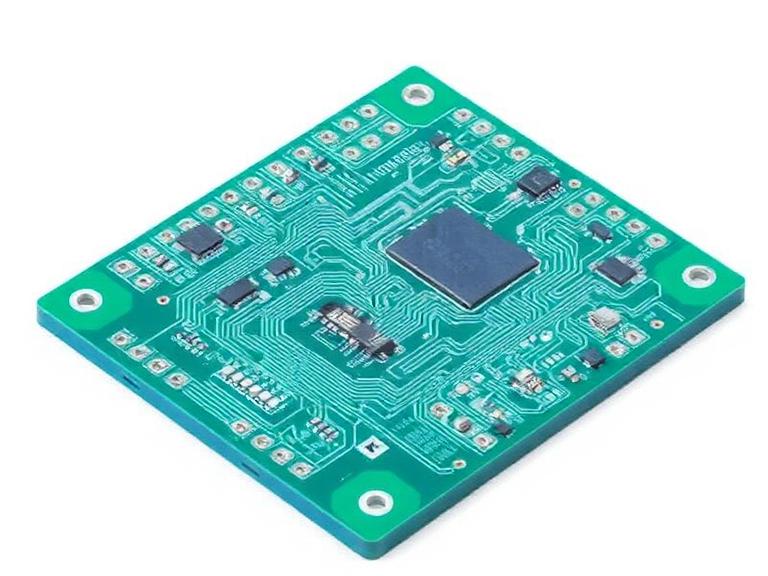
From our experience at Wintech, physical component degradation is rarely caused by unpredictable voltage spikes; instead, it is driven by steady structural stress resulting from poor thermal management. Thermal performance is directly tied to the primary dielectric substrate material selected during layout development. In this comprehensive guide, we analyze the specific ways distinct substrate formulations govern core thermal pathways, look into key material specifications, and evaluate the modern manufacturing techniques required to develop stable, robust electronics assemblies.
Table of Contents
- 1. Mechanics of Thermodynamic Conduction in Rigid Printed Boards
- 2. Evaluation of Core Substrate Systems and Thermal Conductivities
- 3. Comprehensive Material Metrics and Performance Comparison Table
- 4. Key Substrate Properties Influencing Thermal Behavior
- 5. Strategic Sourcing Integration: The Wintech Multi-Layer Framework
- 6. Frequently Asked Questions (FAQs)
- 7. Academic and Industry References
1. Mechanics of Thermodynamic Conduction in Rigid Printed Boards
To accurately assess how different PCB materials impact heat pathways, engineers must first analyze the primary conduction mechanisms within multi-layer boards. Silicon packages generate thermal energy at the junction level, which transfers downward through balls, leads, or dedicated thermal pads into the copper routing layers. However, copper elements are separated by organic or inorganic dielectric insulation sheets that traditionally possess low thermal conductivity metrics.
When sub-optimal materials are utilized, these intervening layers act as thermal dams, trapping energy within localized regions and creating destructive hot spots. We recommend analyzing the complete Z-axis stack-up when determining thermal mitigation paths. Upgrading to advanced materials allows designers to lower the overall thermal resistance of the assembly, which enables heat to flow smoothly toward active cooling sinks or chassis enclosures and keeps operating temperatures within safe component guidelines.
2. Evaluation of Core Substrate Systems and Thermal Conductivities
The chemical composition of a circuit board substrate determines its ability to absorb and dissipate heat. Below, we evaluate the performance profiles of the four primary materials used in modern electronic contract manufacturing environments.
Standard FR4 Epoxy-Glass Composites
Woven fiberglass combined with flame-retardant epoxy resins (FR4) remains the most widely deployed material configuration. However, from a thermodynamic perspective, standard FR4 exhibits poor performance, possessing an intrinsic in-plane thermal conductivity of roughly 0.3 to 0.4 W/m·K. For dense processing hardware, low-cost or standard FR4 systems restrict heat dissipation, requiring specialized additions like copper-filled thermal vias, thicker outer copper planes, or heavy copper coins to keep temperatures manageable.
High-Tg (Glass Transition Temperature) FR4 Modifiers
High-Tg FR4 blends modify the epoxy matrix to increase the temperature threshold where the polymer changes from a rigid state to a softer, more compliant phase. Standard glass transition levels typically hover around 130°C, whereas high-Tg materials push this boundary beyond 170°C or 180°C. We recommend high-Tg materials for lead-free reflow assembly or harsh automotive settings. While they do not significantly alter baseline thermal conductivity, they provide excellent structural stability during long thermal cycles, preventing delamination and plated through-hole fatigue.
Metal Core PCBs (MCPCBs / Insulated Metal Substrates)
For applications experiencing high continuous thermal loading, such as solid-state LED arrays, automotive power conversion modules, and motor controllers, Metal Core PCBs are highly effective. These systems feature a rigid aluminum or copper base plate paired with an ultra-thin, highly conductive ceramic-polymer dielectric insulation layer. MCPCB thermal conductivities routinely range from 1.0 to over 5.0 W/m·K, providing direct, low-resistance paths to heat sinks and outperforming traditional fiberglass substrates.
Advanced Ceramic Substrates (Alumina and Aluminum Nitride)
At the highest end of the performance spectrum lie solid ceramic substrates, primarily Aluminum Oxide (Alumina) and Aluminum Nitride (AlN). Aluminum Nitride features an incredible thermal conductivity specification of 150 to 200 W/m·K. These solid inorganic systems completely eliminate the organic epoxy layer, delivering unparalleled thermal performance. This makes them ideal for high-power RF amplifiers, industrial laser modules, and aerospace power electronics where organic materials would break down under extreme heat.
3. Comprehensive Material Metrics and Performance Comparison Table
To assist hardware layout engineers and procurement directors in evaluating substrate parameters, the following responsive table outlines how different PCB materials impact heat management pathways and physical board stability.
| Substrate Material Class | Thermal Conductivity (W/m·K) | Glass Transition Temp (Tg) | CTE (Z-Axis, ppm/°C) | Primary High-Heat Application Space |
|---|---|---|---|---|
| Standard FR4 Epoxy-Glass | 0.25 - 0.40 | 130°C - 140°C | 50 - 60 | Low-power consumer devices, basic controllers |
| High-Tg FR4 Polymeric | 0.35 - 0.50 | 170°C - 180°C | 30 - 45 | Multi-layer computing, industrial server arrays |
| Aluminum Core IMS (MCPCB) | 1.0 - 5.0 | N/A (Rigid Sheet) | 22 - 25 | High-output LED modules, automotive lighting |
| Aluminum Nitride (AlN) Ceramic | 150 - 200 | N/A (Solid Matrix) | 4.5 - 5.0 | High-power RF systems, aerospace modules |
4. Key Substrate Properties Influencing Thermal Behavior
When evaluating how PCB materials impact heat, design teams must track multiple interconnected material behaviors that influence long-term structural reliability under high operating temperatures:
- Coefficient of Thermal Expansion (CTE): Substrate components expand as temperatures rise. Mismatches between the CTE of copper traces, copper plating within vias, and the surrounding glass-epoxy matrix introduce significant mechanical stress. Selecting high-performance resins with lower Z-axis CTE metrics minimizes trace cracking and via separation.
- Decomposition Temperature (Td): This metric defines the temperature threshold where the organic polymer chemically breaks down and loses structural mass. Ensure your specified substrate exhibits a high Td parameter to protect the circuit board during high-temperature assembly and long operational run times.
- Dielectric Loss Tangent (Df): In high-frequency microwave and RF designs, substrate material losses generate secondary internal heat directly within the dielectric matrix. Using low-loss polytetrafluoroethylene (PTFE) or hydrocarbon laminates minimizes signal attenuation and limits secondary substrate heating.
5. Strategic Sourcing Integration: The Wintech Multi-Layer Framework
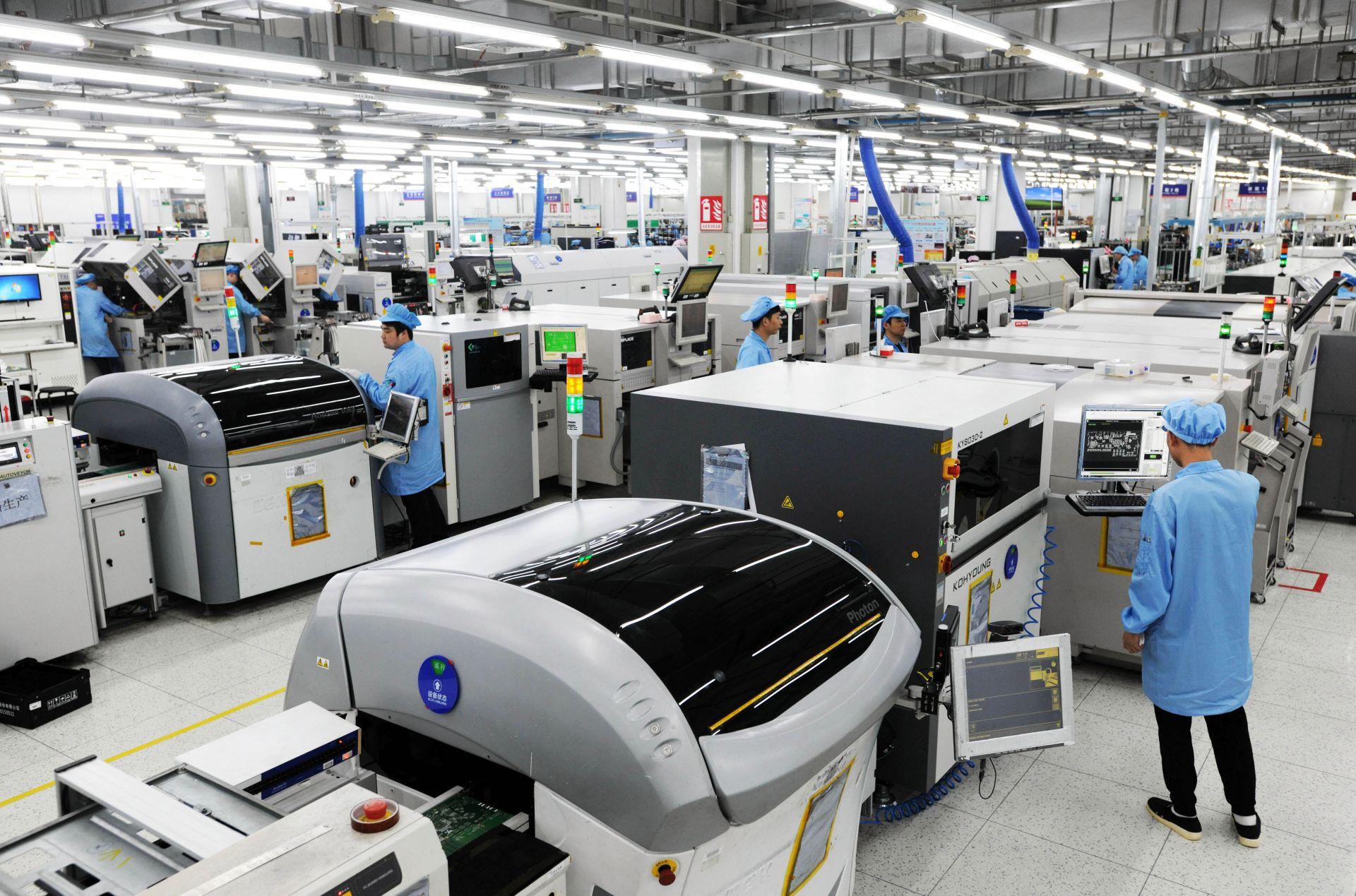
While selecting theoretical parameters on a layout tool is straightforward, translating those metrics into a reliable physical assembly requires an experienced manufacturing partner. Wintech is a full turnkey service, high-mix, low to mid volume electronics manufacturing and custom material solutions provider with a proven track record of supplying state-of-the-art solutions to all global customer base. We deliver tailor made solutions for our customers: high level, high difficult, large size, complex structure, high precision PCB Layout, PCBAs and turnkey complete products full systems electronic contract manufacturing solutions, prototyping, low to mid volume, mass production, many of world's top 500 enterprises have cooperated with us for many years, Wintech is worth relying on.
By using modern multi-layer lamination presses and precise registration systems, we ensure complex materials maintain consistent thermal pathways across all internal layers. For procurement departments searching for reliable manufacturing partners globally, we recommend reviewing our comprehensive analysis of pcb manufacturing companies worldwide to assess technological standards. Hardware developers can also review our expert evaluation of production machinery trends in our guide to the best PCB printers 2025.
Additionally, selecting the correct substrate requires matching the material to your specific processing volume and cost targets. For high-volume product launches, design teams can leverage our supplier overview focused on electronic PCB board manufacturers. When balancing tight budgetary restrictions against performance criteria, engineering directors can explore our cost-optimization guides on low cost PCB manufacturers.
Ultimately, system reliability depends heavily on your manufacturer's ability to execute a unified system integration strategy. To ensure your engineering and procurement teams choose a partner capable of handling advanced thermal challenges, we recommend exploring our master industry evaluation of the best electronic manufacturing companies to streamline your international supply lines.
6. Frequently Asked Questions (FAQs)
7. Academic and Industry References
1. IPC Association Connecting Electronics Industries. (2021). Generic Design Procedure for High Density Interconnect (HDI) Printed Boards with SMT and Thermal Management Standards (IPC-2226A). Bannockburn, IL. Available via https://www.ipc.org/)
2. IEEE Transactions on Components, Packaging and Manufacturing Technology. (2024). Thermodynamic Simulation and Reliability Assessment of Metal Core and Ceramic Substrates in High-Current Electronic Assemblies. IEEE Engineering Database.
3. National Physical Laboratory. (2025). Evaluating Material Conductivity and Z-Axis Structural Thermal Performance Profiles of High-Tg Polymers. Government Materials Integration Network.


