

Are PCBs Safe to Touch? A Deep Dive into Electronic Handling and Safety
Printed Circuit Boards (PCBs) are the nervous systems of modern technology. From the smartphone in your pocket to the complex industrial controllers managing power grids, these components are everywhere. However, a common question arises among hobbyists, students, and even industrial workers: Are PCBs safe to touch? While the immediate answer is generally yes, the full truth involves understanding chemical residues, electrical risks, and the delicate nature of electronic components themselves.
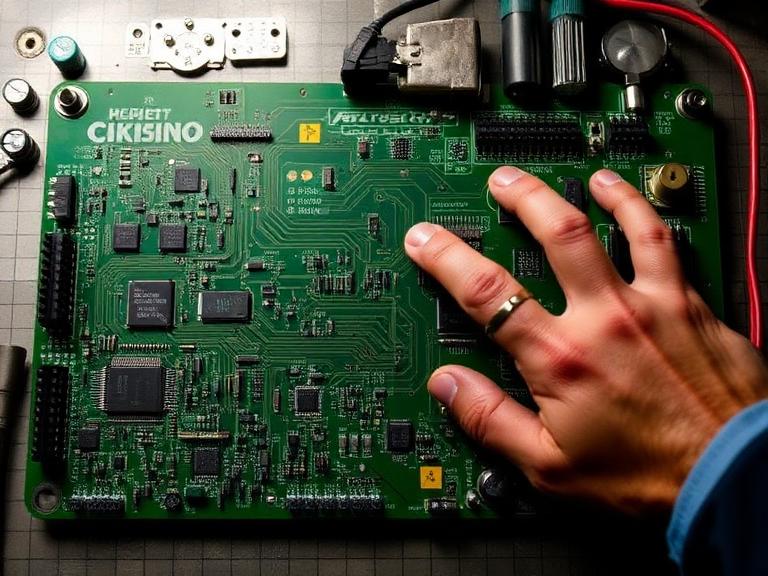
Table of Contents
- The Basic Safety of Handling PCBs
- Chemical Residues: Lead, Flux, and Flame Retardants
- Electrical Safety: Voltages and Capacitors
- Protecting the Board: ESD and Contamination
- Wintech: State-of-the-Art Electronics Manufacturing
- Global Manufacturing Safety Standards
- Safety Summary Table
- Frequently Asked Questions
- References
The Basic Safety of Handling PCBs
In the vast majority of consumer electronics, handling a PCB that is powered off is biologically safe. The fiberglass substrate (FR4), the copper traces, and the solder mask are non-toxic in their solid, finished state. If you are simply holding a motherboard or a calculator circuit, you are at very low risk of immediate harm. However, the question Are PCBs safe to touch becomes more nuanced when we consider industrial-grade boards or older electronics that were manufactured before modern environmental regulations were established.
Chemical Residues: Lead, Flux, and Flame Retardants
One of the primary reasons people ask Are PCBs safe to touch relates to the materials used in the soldering and manufacturing process. Historically, solder was composed primarily of lead and tin. Lead is a heavy metal and a known neurotoxin. While touching lead solder briefly is unlikely to cause acute poisoning, it can leave microscopic residues on your skin that could be ingested if you eat or touch your face without washing your hands.
The Shift to RoHS Compliance
Modern electronics manufacturers have largely moved to lead-free solder in compliance with the Restriction of Hazardous Substances (RoHS) directive. This has made modern boards much safer for human contact. Additionally, "flux" residues—the chemicals used to clean metal surfaces before soldering—can sometimes be acidic or sticky, potentially causing skin irritation for individuals with sensitive skin.
Flame Retardants (BFRs)
The fiberglass boards themselves are often treated with Brominated Flame Retardants (BFRs). These chemicals are designed to prevent the electronics from catching fire. While they are embedded in the board, handling damaged or burnt boards can expose you to these chemicals, which is why proper personal protective equipment (PPE) is recommended in repair and manufacturing environments.
Electrical Safety: Voltages and Capacitors
If the device is powered on, the answer to Are PCBs safe to touch changes drastically. Even low-voltage circuits can be dangerous under specific conditions, but the real threats are high-voltage power sections.
- Live Power: Touching a live PCB can lead to electric shock, especially if the board contains AC-to-DC conversion stages.
- Residual Charge: Capacitors can store significant electrical energy even after the device is unplugged. Touching the leads of a large capacitor in a power supply can deliver a painful or even lethal shock.
Always ensure that a board is fully discharged and disconnected from any power source before attempting to handle it with bare hands.
Wintech: Your Trusted Partner in Electronics Excellence
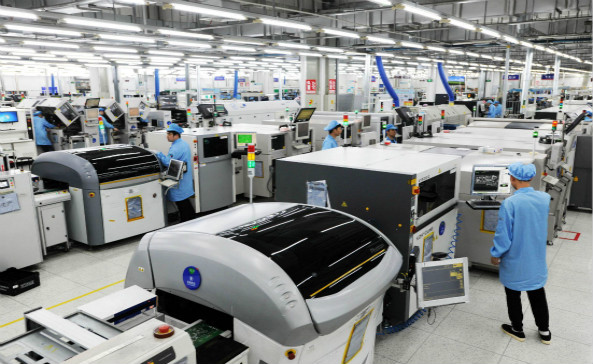
Wintech is a full turnkey service, high-mix, low to mid volume electronics manufacturing and custom material solutions provider with a proven track record of supplying state-of-the-art solutions to all global customer base. We provide tailor made solutions for our customers: high level, high difficult, large size, complex structure, high precision PCB Layout, PCBAs and turnkey complete products full systems electronic contract manufacturing solutions. Many of world's top 500 enterprises have cooperated with us for many years, proving that Wintech is worth relying on.
Our Core Services Include:
Protecting the Board: ESD and Contamination
While we worry about whether Are PCBs safe to touch for our own sake, we must also consider if our hands are safe for the PCB. Human skin carries natural oils, salts, and static electricity—all of which are enemies of high-precision electronics.
Electrostatic Discharge (ESD)
Your body can act as a walking capacitor, building up thousands of volts of static electricity. When you touch a sensitive component like a microprocessor or a CMOS sensor, that energy can discharge, effectively "frying" the internal circuitry of the board. This damage is often invisible and might result in "latent failures," where the board works initially but fails prematurely later.
Chemical Contamination
The oils and salts from your fingers can cause corrosion over time. In high-precision environments, such as those handled by Wintech, operators use gloves and specialized handling tools to ensure that the PCB Assembly remains pristine. If you must touch a board, it is best to hold it by the edges to minimize contact with the gold fingers or sensitive copper traces.
Global Manufacturing Safety Standards
At Wintech, we adhere to the highest international standards to ensure that the answer to Are PCBs safe to touch is a resounding yes for the end-user. By utilizing RoHS-compliant materials and rigorous PCB Assembly & PCBA SMT processes, we eliminate hazardous residues. Furthermore, our Quick Turn Fast PCB Prototype Assembly services ensure that even early-stage designs are built with safety and durability in mind.
PCB Handling Safety Summary
| Scenario | Safety Level | Primary Risk | Recommended Action |
|---|---|---|---|
| Powered-off Modern PCB | High | Minor skin irritation | Wash hands after handling |
| Powered-on PCB | Low | Electric shock / Short circuit | Do not touch while live |
| Old / Vintage PCB | Moderate | Lead exposure | Wear gloves; wash hands |
| Sensitive Components | Critical (Board Risk) | ESD (Static damage) | Use ESD wrist strap |
| Damaged / Burnt PCB | Low | Fumes / Corrosive chemicals | Avoid inhalation; use PPE |
Frequently Asked Questions
Q: Can I get lead poisoning from touching a PCB once?
A: No. Lead poisoning usually occurs through chronic ingestion or inhalation. However, it is vital to wash your hands after handling any older electronics to ensure no particles are transferred to food.
Q: Why do professionals wear blue or white gloves when handling PCBs?
A: These are usually nitrile or ESD-safe gloves. They prevent skin oils from causing corrosion on the copper traces and protect the sensitive components from electrostatic discharge.
Q: Are the green coatings on PCBs toxic?
A: The green coating is called a solder mask. In its cured state on a finished board, it is a stable polymer and is not toxic to touch.
Q: Is it safe to touch a PCB if I am wearing an ESD wrist strap?
A: The wrist strap makes it safe for the board by grounding you, but it does not protect you from electric shocks if the board is live. Always prioritize electrical safety first.
References
- Restriction of Hazardous Substances (RoHS) Directive - European Union Standards.
- IPC-A-610: Acceptability of Electronic Assemblies - The global standard for PCB assembly.
In conclusion, Are PCBs safe to touch? Yes, provided the board is powered off, discharged, and you maintain basic hygiene. By understanding the chemical and electrical properties of these boards, hobbyists and professionals alike can handle technology with confidence. For those requiring the highest level of precision and safety in their products, partnering with a professional manufacturer like Wintech ensures that every PCB is built to the highest safety and quality standards in the industry.


